No ideas match. Try turning off a filter.
18 to 24 months2 to 3 years3 to 4 years
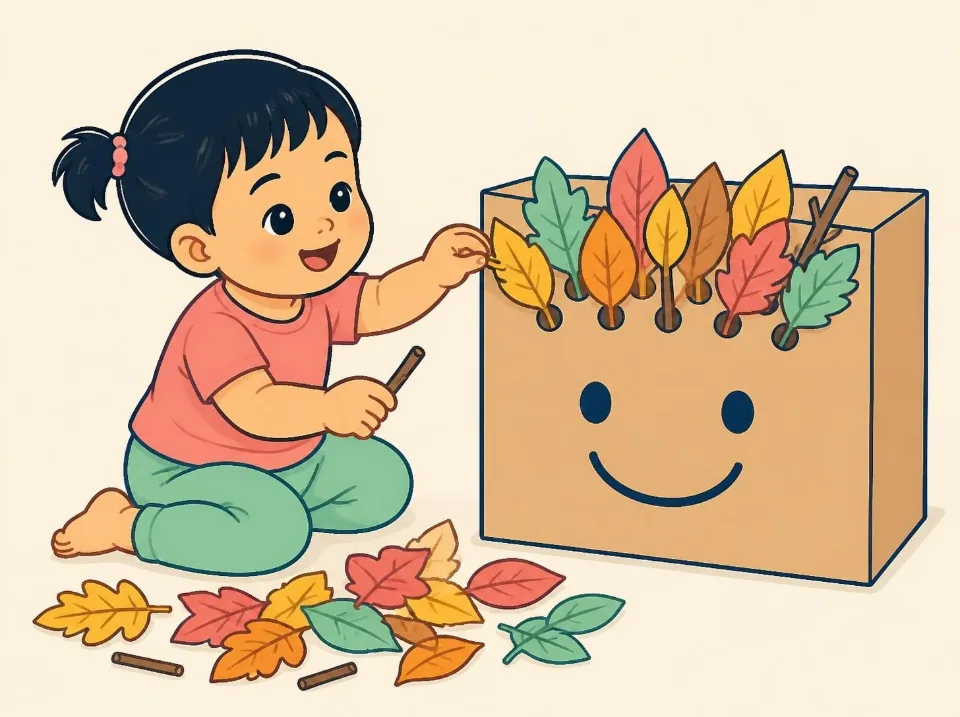
⚠️ Adults make the holes. Check the leaves aren't from toxic plants such as oleander.
How to play · You need
You need
- Cardboard box
- Marker
- Skewer (adults only)
- Fallen leaves
How to play
- Draw a face on a cardboard box and poke small holes around the head with a skewer
- Collect fallen leaves, twigs and flowers together
- Your child pushes the stems into the holes as hair, then you name eyes, nose and mouth together
Fine motorSensoryLanguage
12 to 18 months18 to 24 months
How to play · You need
You need
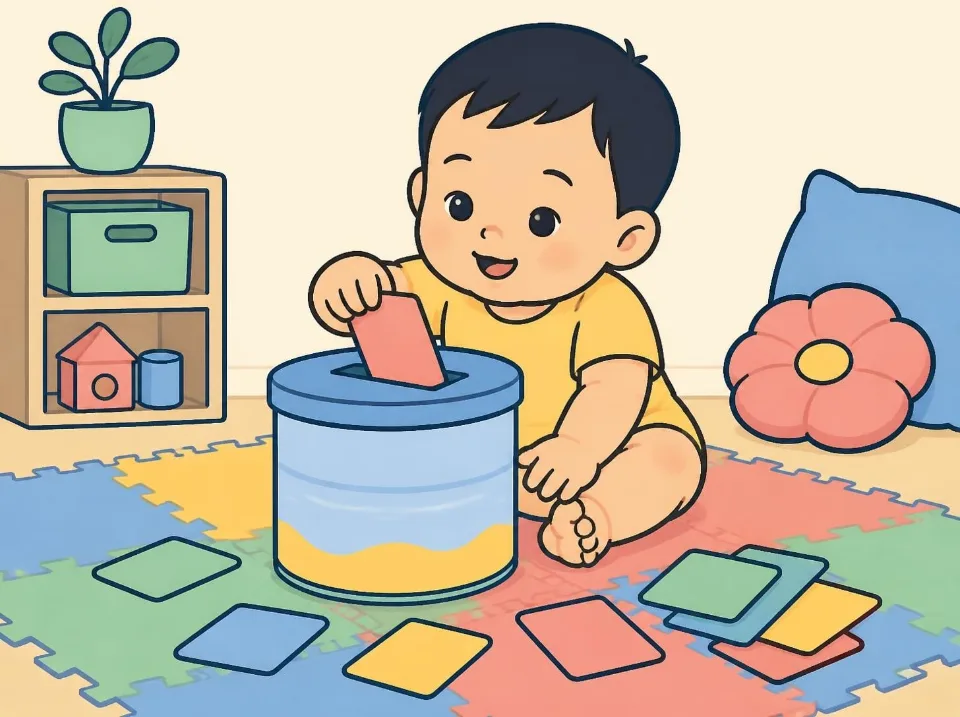
- Formula tin with lid
- Old cards or coasters
How to play
- Cut a long slot in the lid of a formula tin
- Your child posts old cards through the slot
- Open the lid, tip them out, and go again
Fine motorProblem solving
12 to 18 months
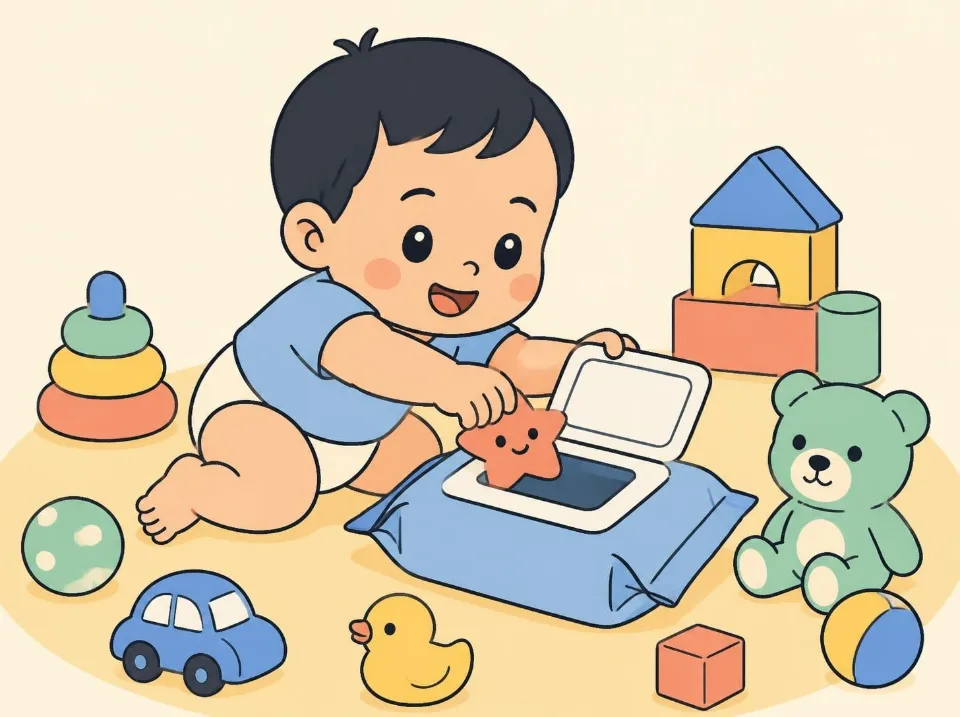
⚠️ Toys must be bigger than a toilet-roll tube, so they can't be a choking risk.
How to play · You need
You need
- Empty wipes pack
- Small toys
How to play
- Keep an empty wipes pack with a flip lid
- Your child pushes small toys in through the opening
- Pull them back out one by one together
Fine motor
12 to 18 months18 to 24 months
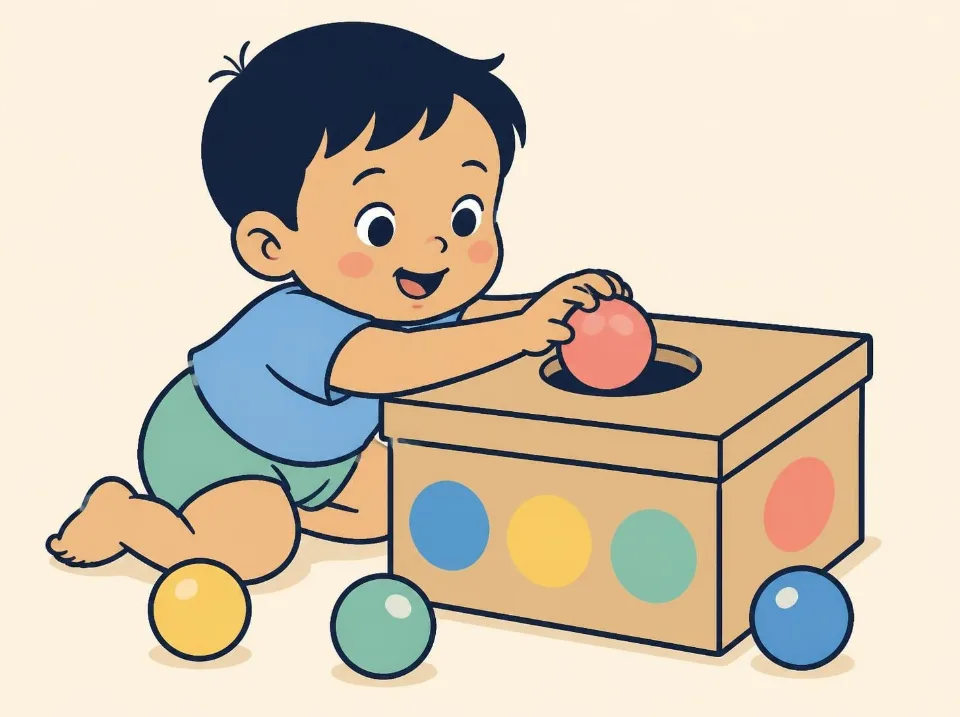
⚠️ Large balls only.
How to play · You need
You need
- Box or tub with lid
- Medium balls
How to play
- Cut a round hole in a box or tub lid, just bigger than the ball
- Your child pushes the balls through the hole
- Open the lid to find them, then go again
Fine motorProblem solving
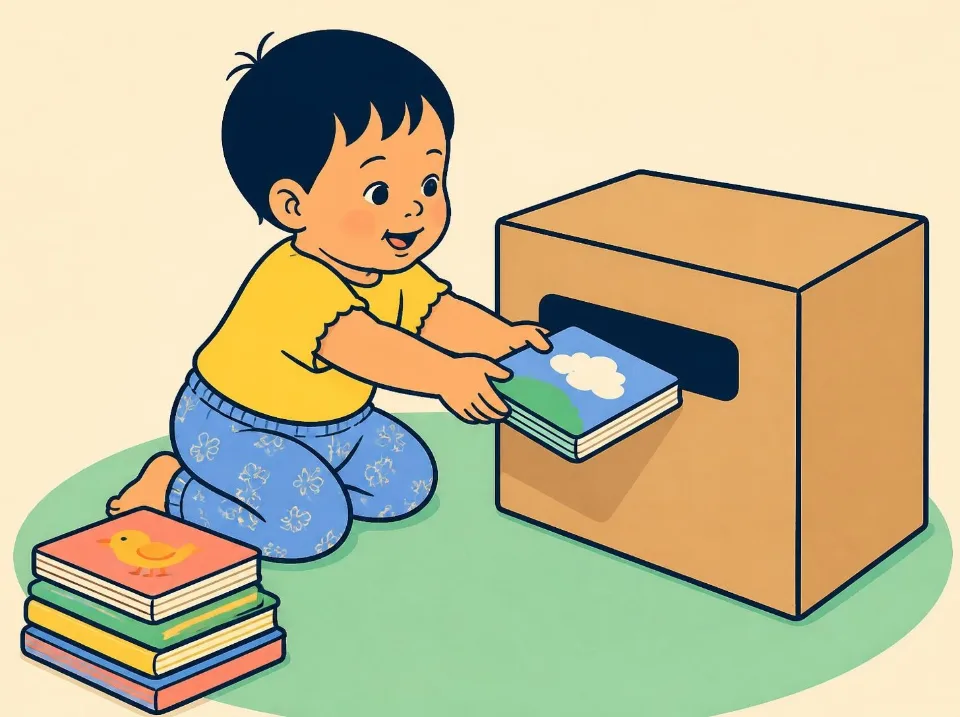
12 to 18 months18 to 24 months
How to play · You need
You need
How to play
- Cut a slot in a box big enough for board books
- Your child posts the books in one at a time
- Read whichever one went in last together
Fine motorLanguage
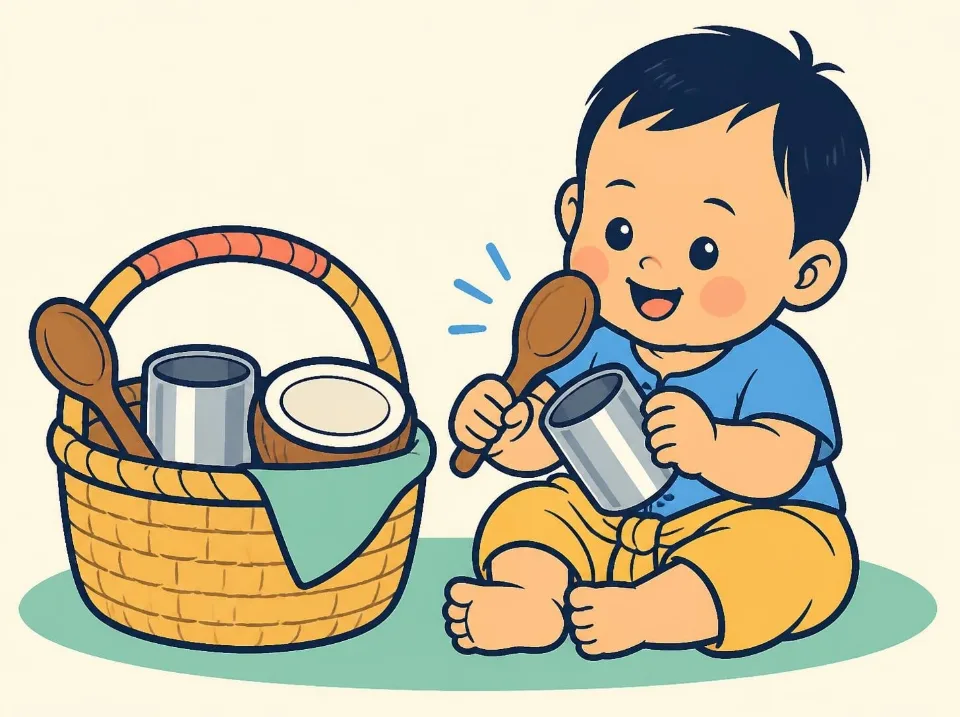
12 to 18 months
⚠️ Check every item is too big to swallow and has no sharp edges.
How to play · You need
You need
How to play
- Fill a basket with safe kitchen things: a wooden spoon, steel cup, coconut shell
- Let your child pick up, bang and explore
- Name each thing they pick up
SensoryProblem solving
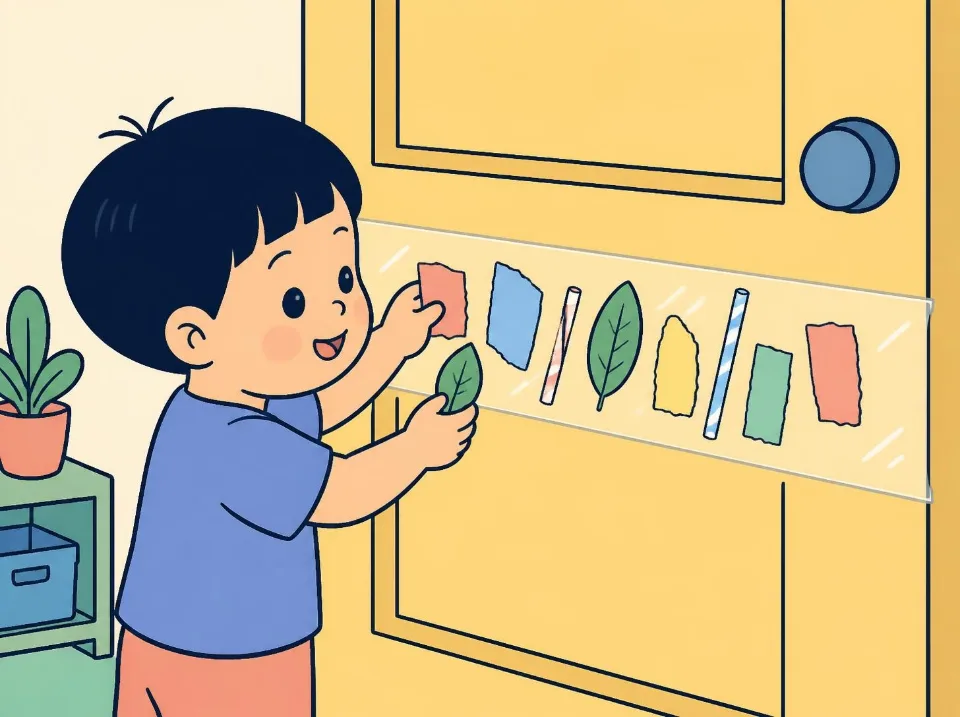
12 to 18 months18 to 24 months
How to play · You need
You need
- Wide clear tape
- Paper scraps, leaves
How to play
- Tape wide clear tape to a wall or door, sticky side out
- Your child sticks on paper scraps, leaves or straws
- Peel off and stick again as often as they like
Fine motorSensory
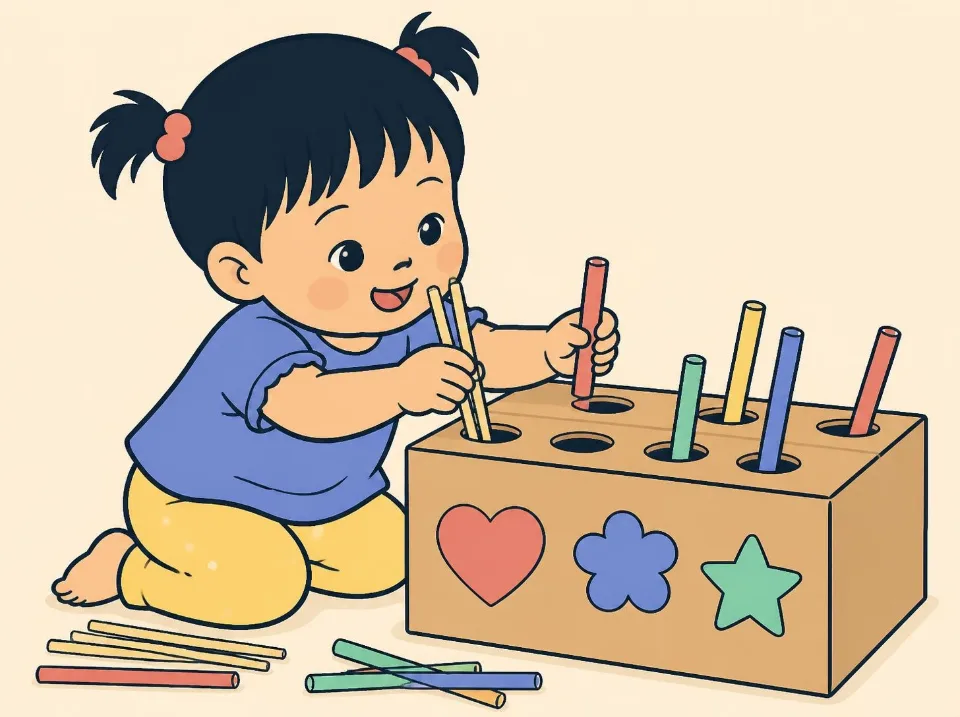
18 to 24 months2 to 3 years
⚠️ Stay close, and no running with pointy sticks.
How to play · You need
You need
- Cardboard box
- Wooden chopsticks or straws
How to play
- Poke lots of holes in a cardboard box
- Your child pushes chopsticks or straws into every hole
- Tip the box over, empty it and start again
Fine motor
18 to 24 months2 to 3 years
How to play · You need
You need
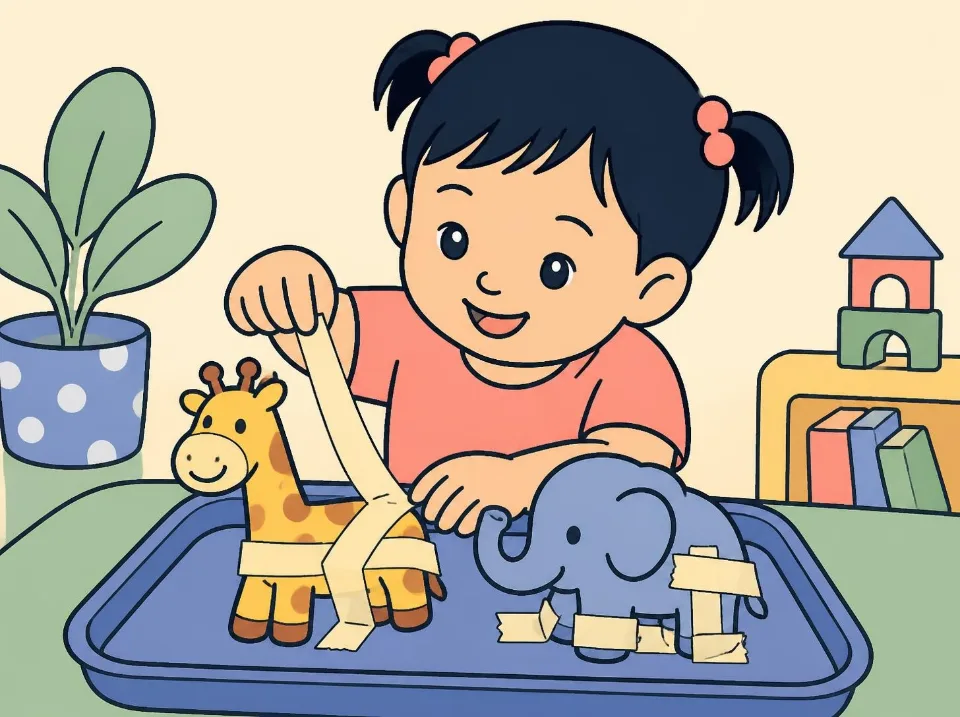
- Masking tape
- Tray
- Toy animals
How to play
- Tape small toy animals to a tray with masking tape
- Tell your child the animals are stuck and need help
- They peel off the tape strip by strip to free them
Fine motorPretend play
18 to 24 months2 to 3 years
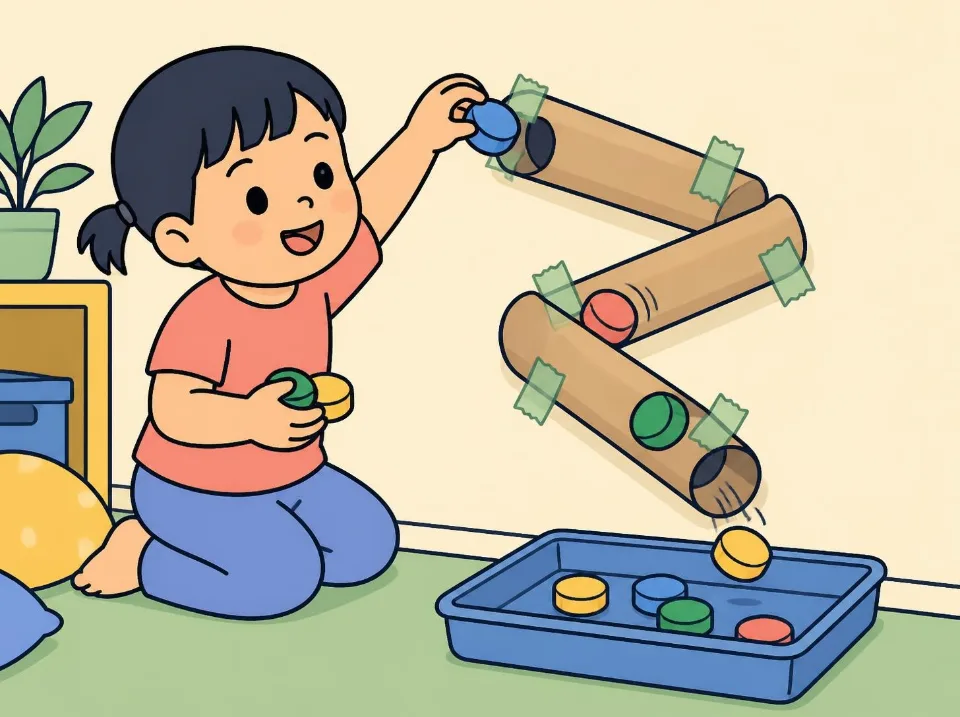
⚠️ Small items are a choking risk. Sit close and use big caps.
How to play · You need
You need
- Toilet-roll tubes
- Tape
- Large bottle caps
How to play
- Tape toilet-roll tubes to a wall to make a chute
- Put a tray at the bottom
- Your child drops bottle caps in and watches where they come out
Fine motorProblem solving
18 to 24 months2 to 3 years3 to 4 years
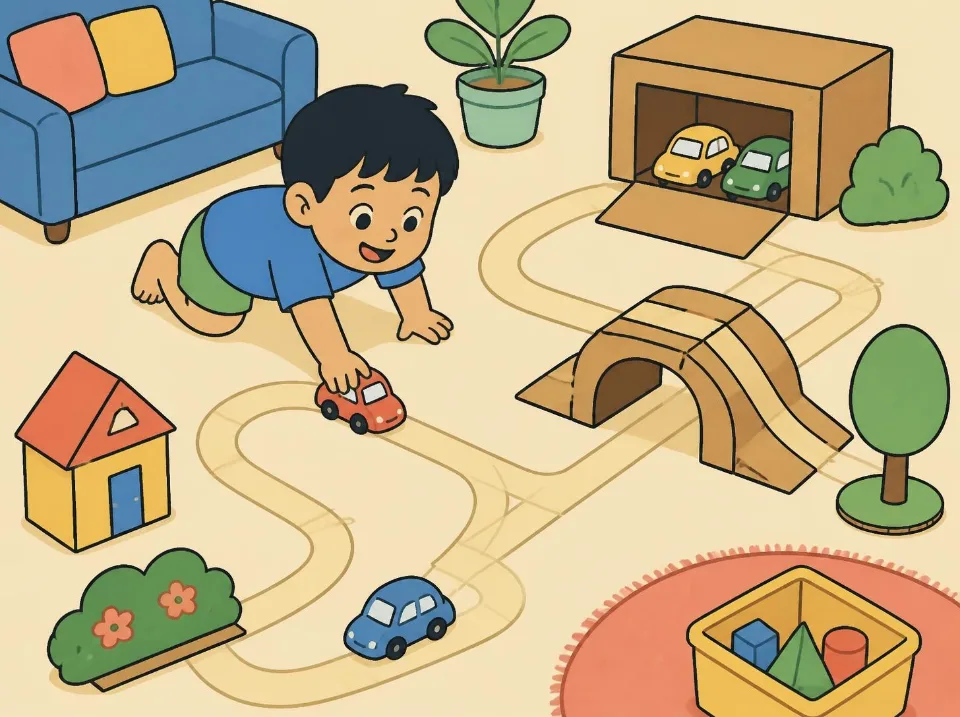
How to play · You need
You need
How to play
- Tape a road on the floor with masking tape, with bends and junctions
- Your child drives toy cars along it
- Add a car park, houses or a bridge made from boxes
Gross motorPretend play
18 to 24 months2 to 3 years
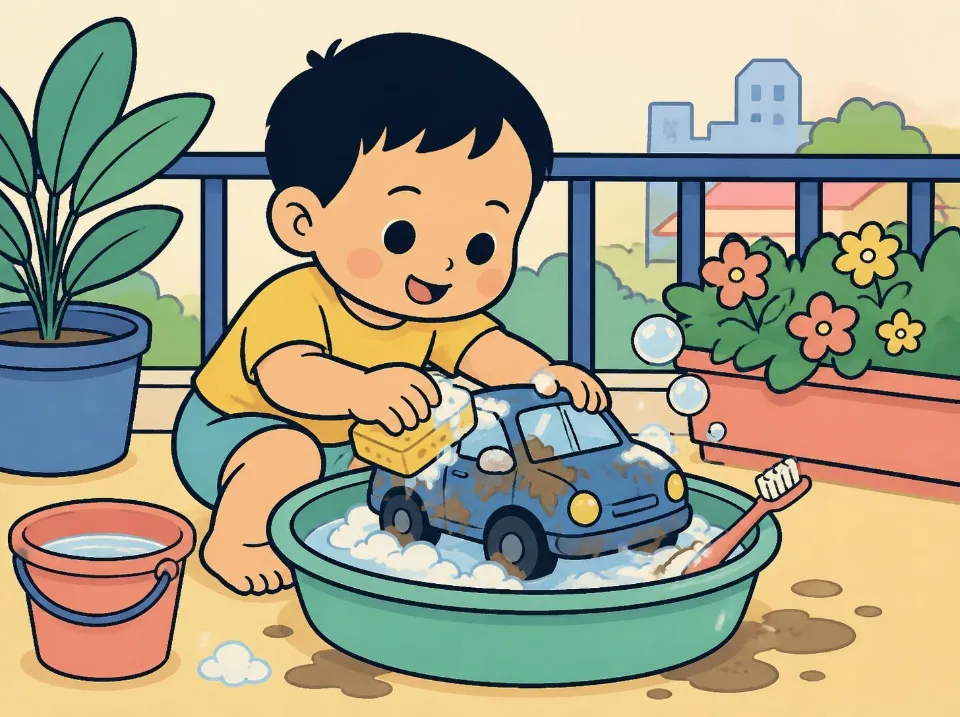
⚠️ Always stay with kids around water, even shallow water.
How to play · You need
You need
- Basin
- Sponge
- Old toothbrush
- Toy cars
How to play
- Mix water and a little soap in a basin on the balcony
- Get the toy cars a bit muddy
- Your child scrubs them with a sponge and an old toothbrush
SensoryPretend play
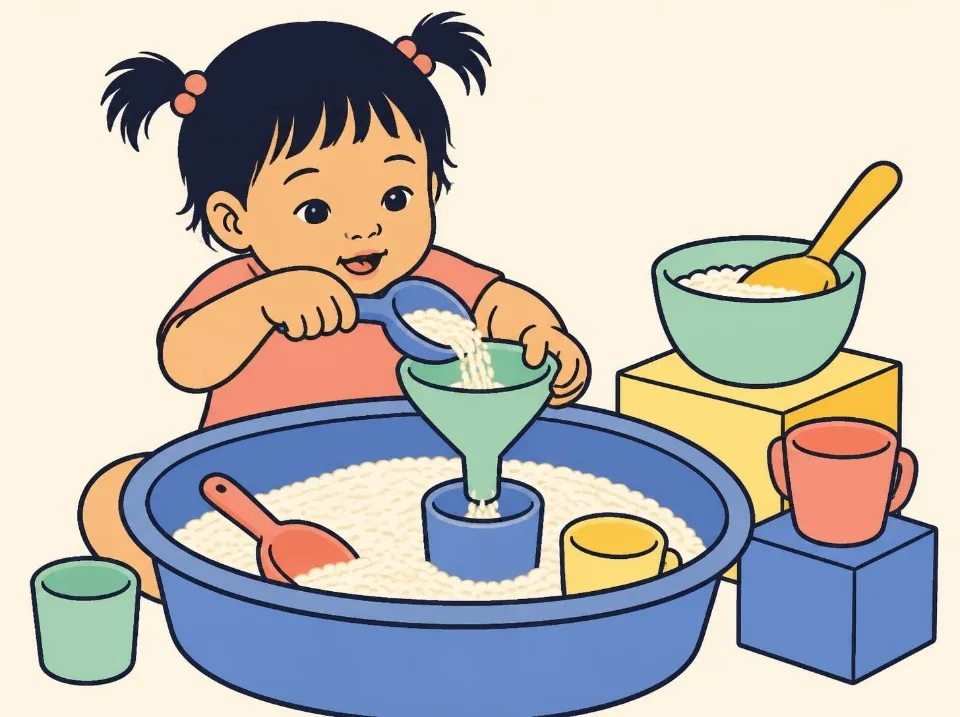
18 to 24 months2 to 3 years
⚠️ No mouthing: uncooked rice is a choking risk.
How to play · You need
You need
- Uncooked rice
- Big tub
- Spoons and cups
How to play
- Pour uncooked rice into a big tub
- Add spoons, cups and a funnel
- Let your child scoop, pour and fill
Fine motorSensory
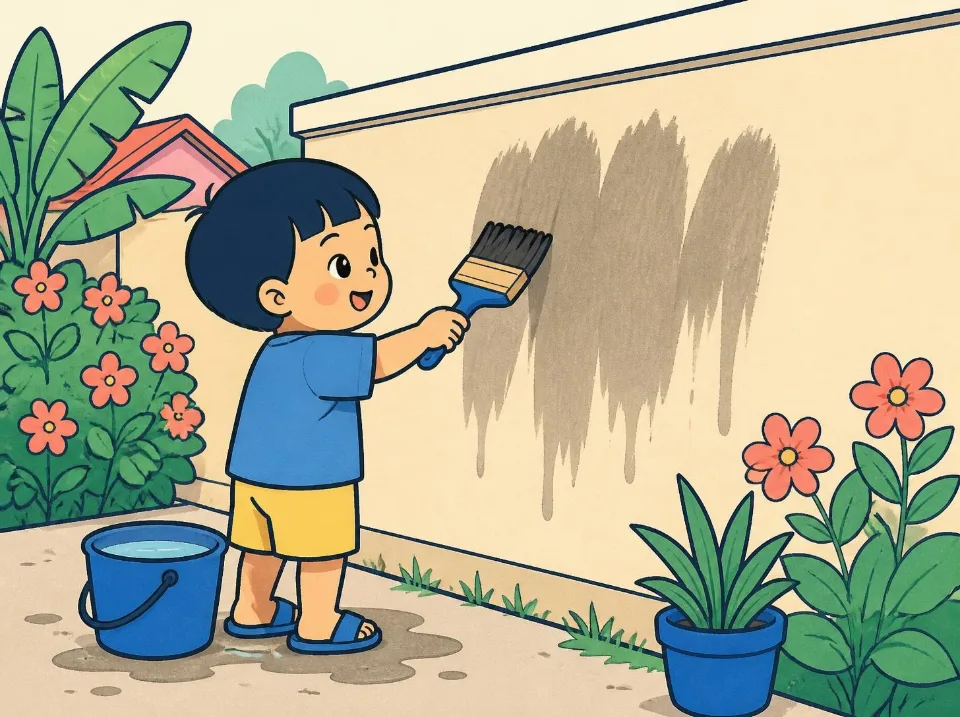
2 to 3 years3 to 4 years
How to play · You need
You need
- Bucket of water
- Paintbrush
How to play
- Hand over a bucket of water and a paintbrush
- Your child "paints" a wall, floor or fence
- Watch it dry and disappear, then paint again
Gross motorSensory
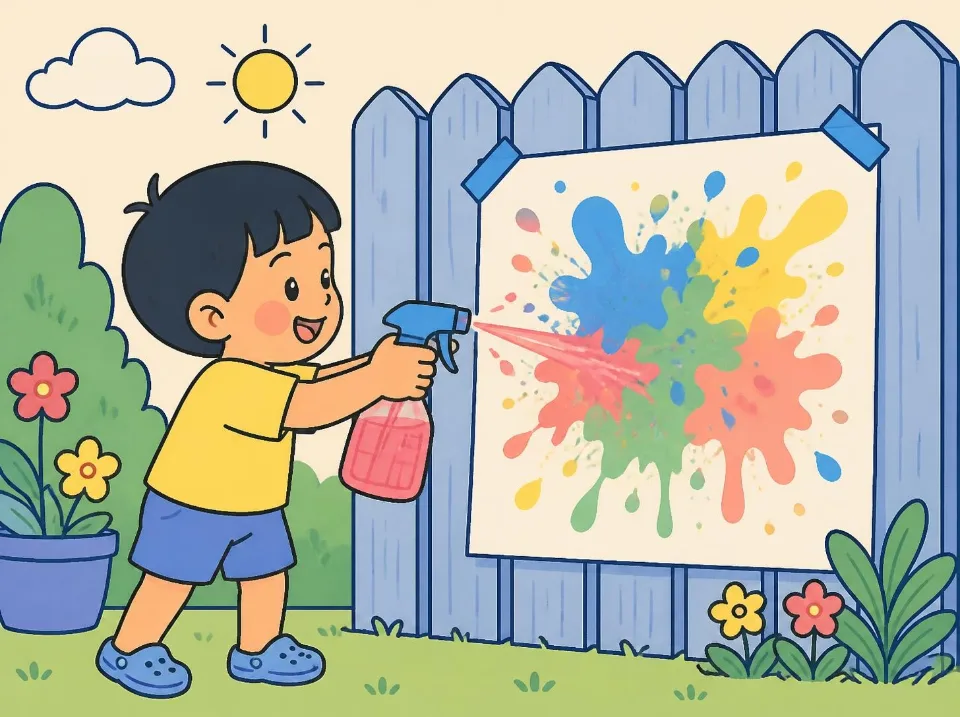
2 to 3 years3 to 4 years
How to play · You need
You need
- Spray bottles
- Food colouring
- Paper
How to play
- Mix water and food colouring in spray bottles
- Tape paper to an outside wall or fence
- Your child squeezes and sprays the colour
Fine motorSensory

2 to 3 years3 to 4 years4 to 6 years
⚠️ Frozen toys must be too big to choke on. Stay close.
How to play · You need
You need
- Ice tray
- Small toys
- Spoons
- Salt
How to play
- Freeze small toys in an ice tray overnight
- Put them out on a tray with spoons, warm water and salt
- Your child works out how to free the toys
SensoryProblem solving
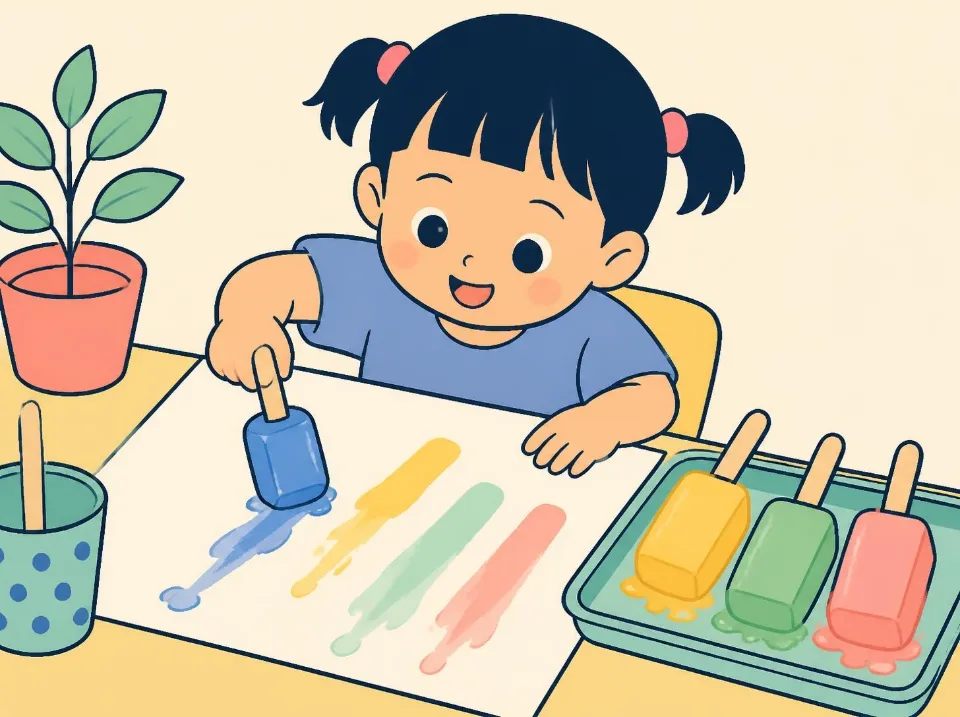
2 to 3 years3 to 4 years
How to play · You need
You need
- Ice tray
- Food colouring
- Lolly sticks
- Thick paper
How to play
- Mix food colouring into water, pour into an ice tray, add lolly sticks, freeze
- Put thick paper on a tray
- Your child draws with the melting ice sticks
SensoryFine motor
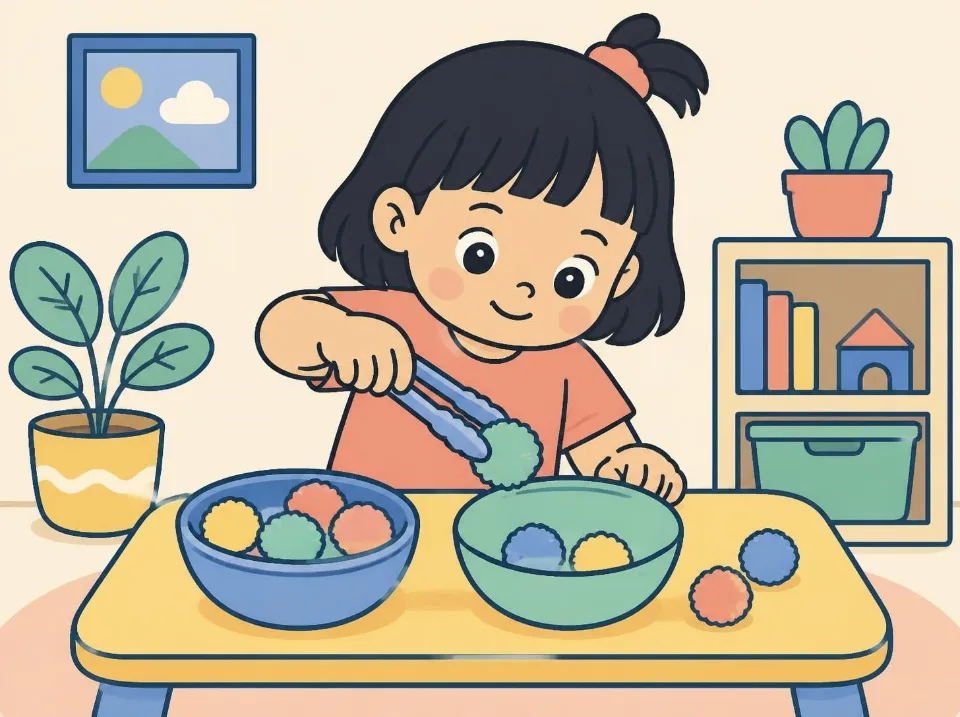
2 to 3 years3 to 4 years
How to play · You need
You need
- Kitchen tongs
- Two bowls
- Bottle caps
How to play
- Set out two bowls, one filled with bottle caps or pom poms
- Your child moves them across with kitchen tongs, one at a time
- Count how many together
Fine motor
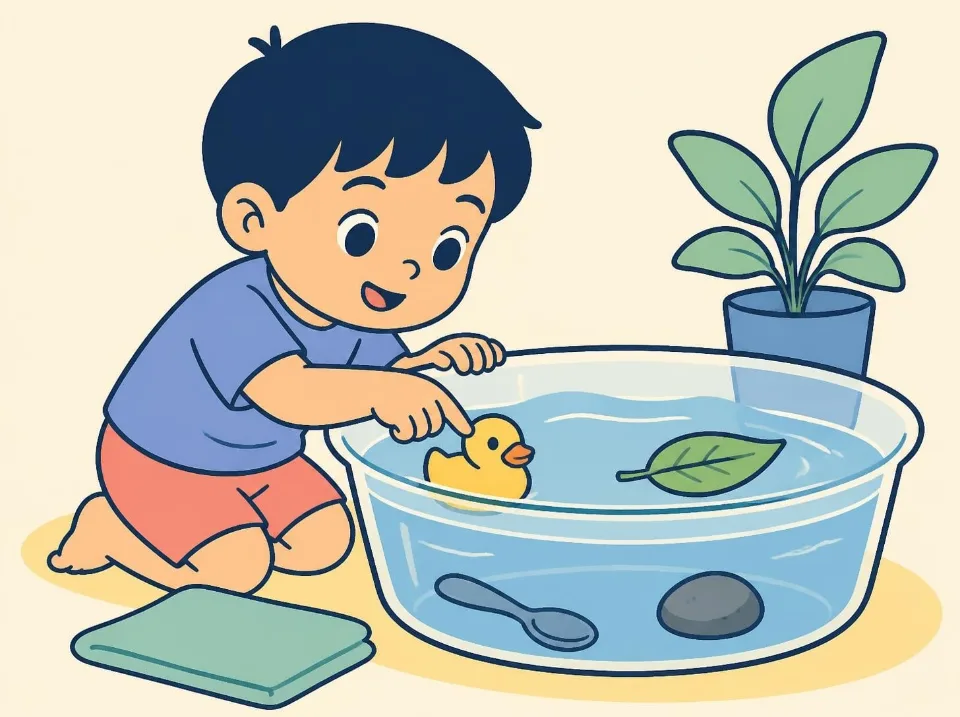
2 to 3 years3 to 4 years4 to 6 years
⚠️ Always stay with kids around water.
How to play · You need
You need
- Basin
- Household objects: spoon, sponge, cap, leaf
How to play
- Fill a basin with water and line up household objects beside it
- Your child guesses: sink or float?
- Test each one and sort them into two piles
Problem solvingLanguage
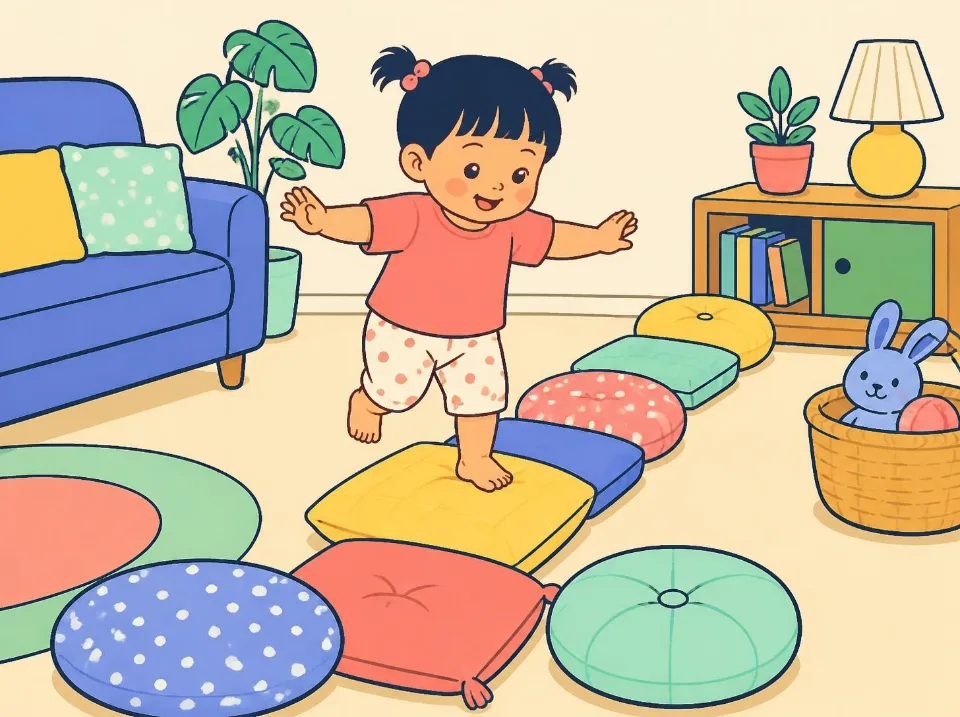
18 to 24 months2 to 3 years
⚠️ Clear away anything hard or sharp nearby first.
How to play · You need
You need
How to play
- Line up pillows and cushions into a path on the floor
- Your child walks, crawls or hops across
- Rearrange it to make it trickier
Gross motor
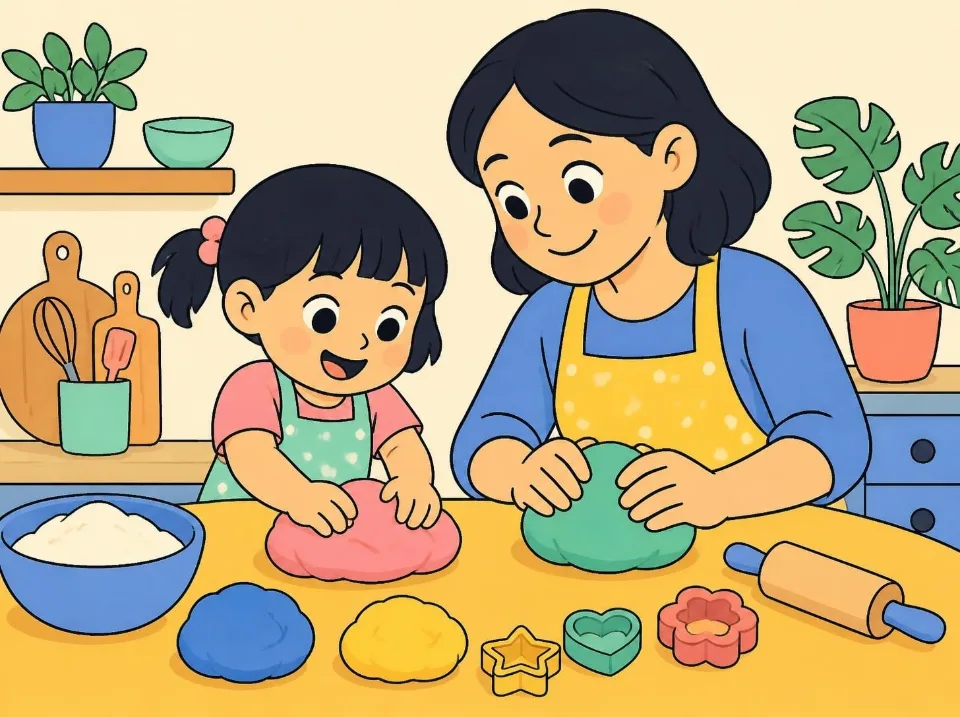
2 to 3 years3 to 4 years4 to 6 years
⚠️ Very salty, don't let them eat it.
How to play · You need
You need
- Flour
- Salt
- Oil
- Food colouring
How to play
- Mix 2 cups flour, half a cup of salt, 2 tbsp oil and warm water a little at a time until it kneads
- Your child helps knead and add food colouring
- Roll, shape and cut. Keep it in a sealed box to reuse
Fine motorPretend play
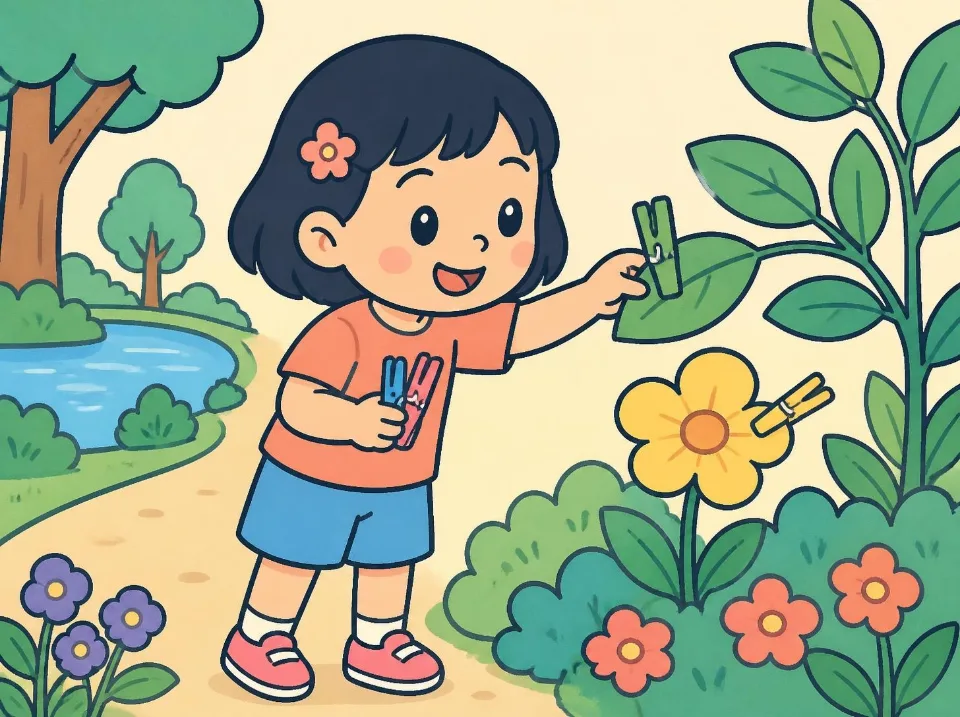
3 to 4 years4 to 6 years
⚠️ Watch for red ants, thorns and the midday sun.
How to play · You need
You need
- Clothes pegs
- Paint or coloured paper
How to play
- Colour some clothes pegs, or cut coloured paper cards
- Go for a walk in a park or your soi
- Find something in nature that matches each colour
LanguageProblem solving
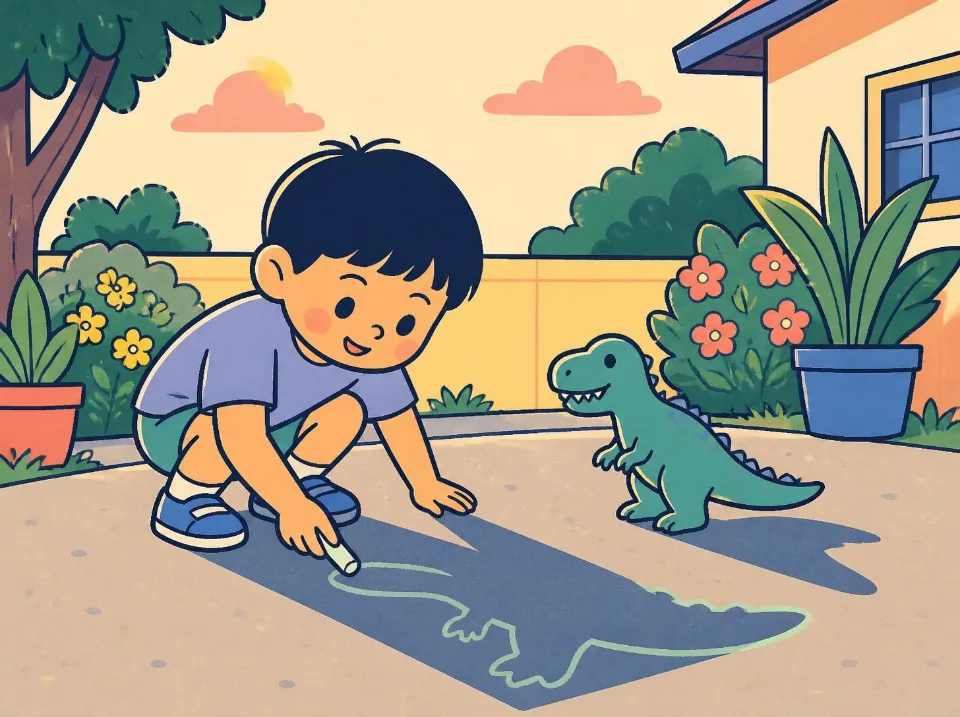
3 to 4 years4 to 6 years
⚠️ Avoid the midday sun and use sun protection.
How to play · You need
You need
How to play
- Stand toys on concrete in the morning or late afternoon, when shadows are long
- Your child traces the shadows in chalk
- Come back an hour later: where did the shadow go?
Fine motorProblem solving
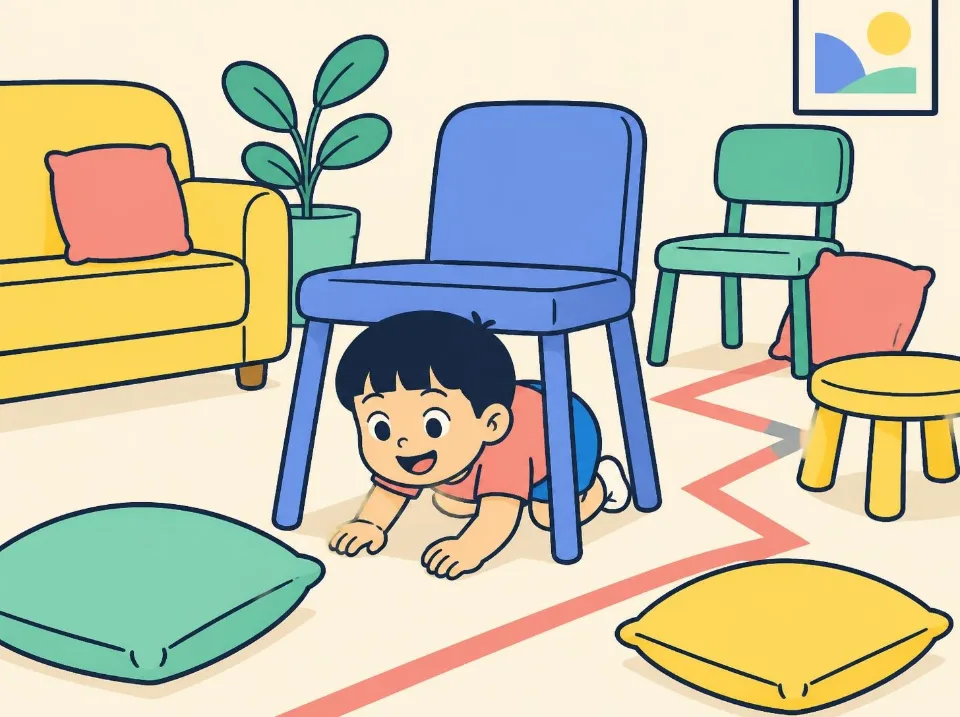
2 to 3 years3 to 4 years4 to 6 years
⚠️ Clear the space and table corners first.
How to play · You need
You need
How to play
- Use pillows, chairs and tape to set up stations: crawl under, jump over, walk the line
- Explain each station step by step
- Time them, or let your child design the next course
Gross motorProblem solving
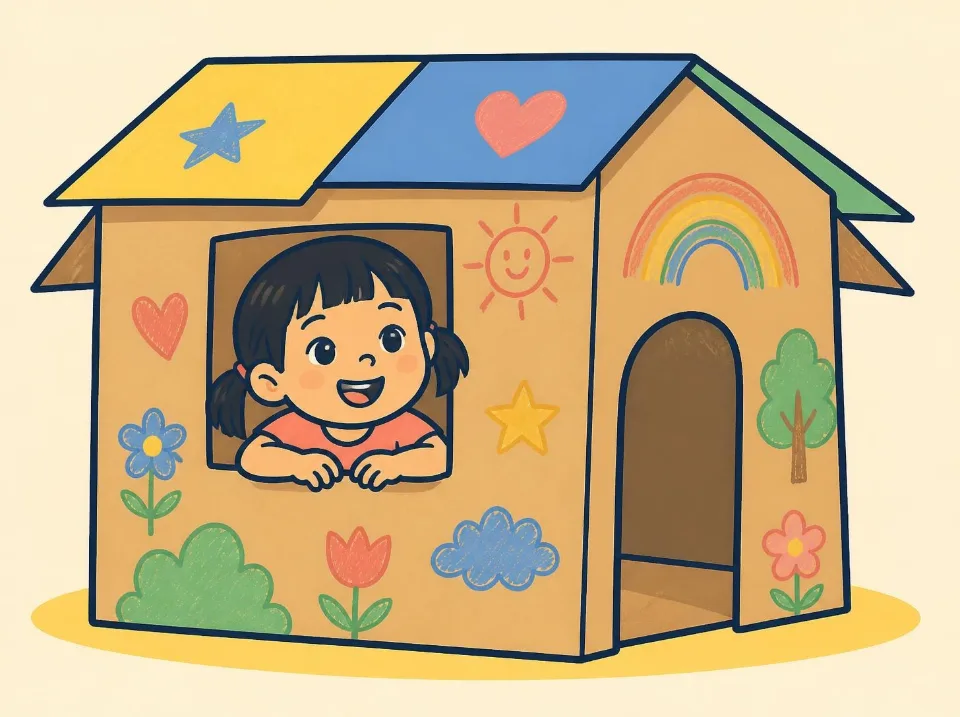
2 to 3 years3 to 4 years4 to 6 years
⚠️ Adults do all the cutting.
How to play · You need
You need
- Big delivery box
- Tape
- Markers
How to play
- Save a big delivery box
- Cut a door and windows, and let your child draw and decorate
- It becomes a house, a shop or a rocket, whatever they imagine
Pretend playProblem solving
2 to 3 years3 to 4 years4 to 6 years
How to play · You need
You need
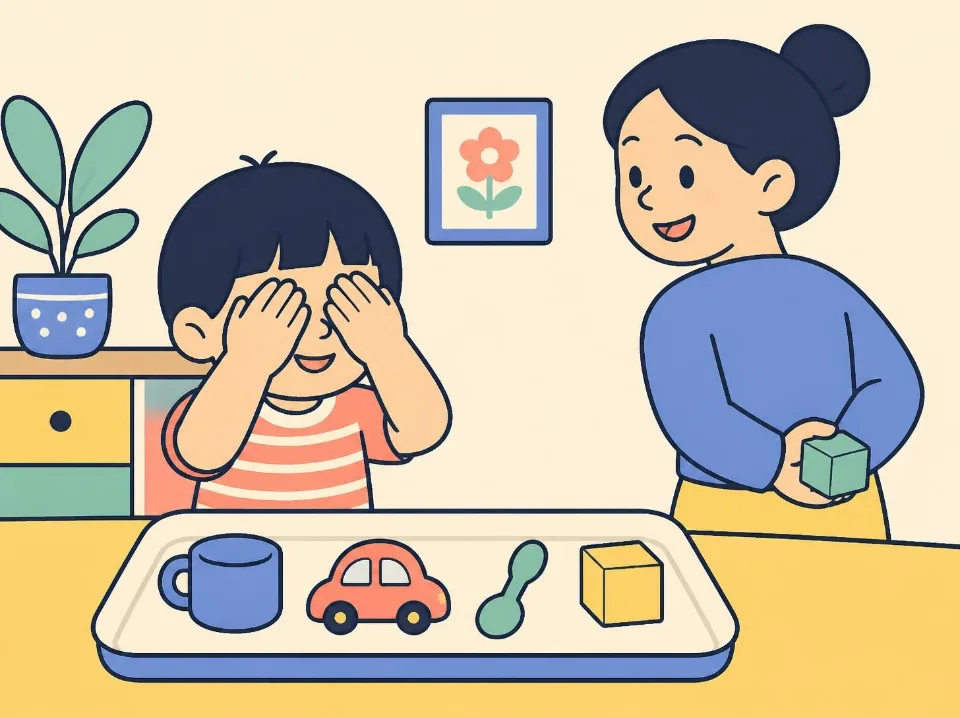
- Tray
- 4 or 5 household items
How to play
- Put 4 or 5 objects on a tray and name them together
- Your child closes their eyes while you hide one
- Open eyes and guess what's missing, then swap roles
Problem solvingLanguage
3 to 4 years4 to 6 years
How to play · You need
You need
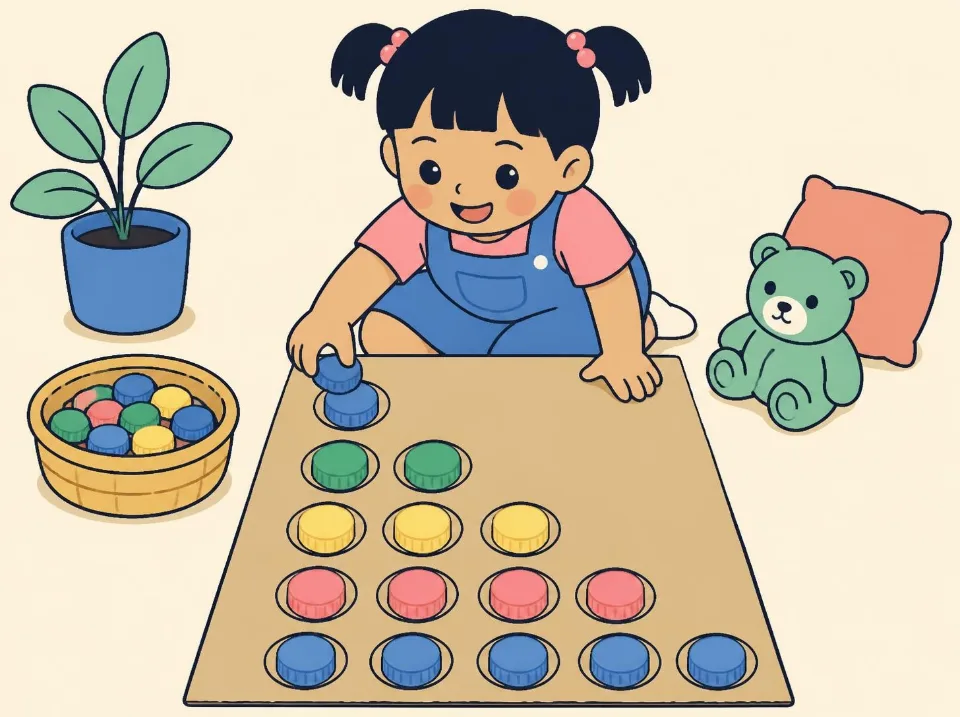
- Cardboard
- Marker
- Bottle caps
How to play
- Write 1 to 5 on cardboard with that many circles under each number
- Your child fills the circles with bottle caps
- Go up to 10 when they're ready
Early mathFine motor
4 to 6 years
⚠️ Round-tip child scissors only.
How to play · You need
You need
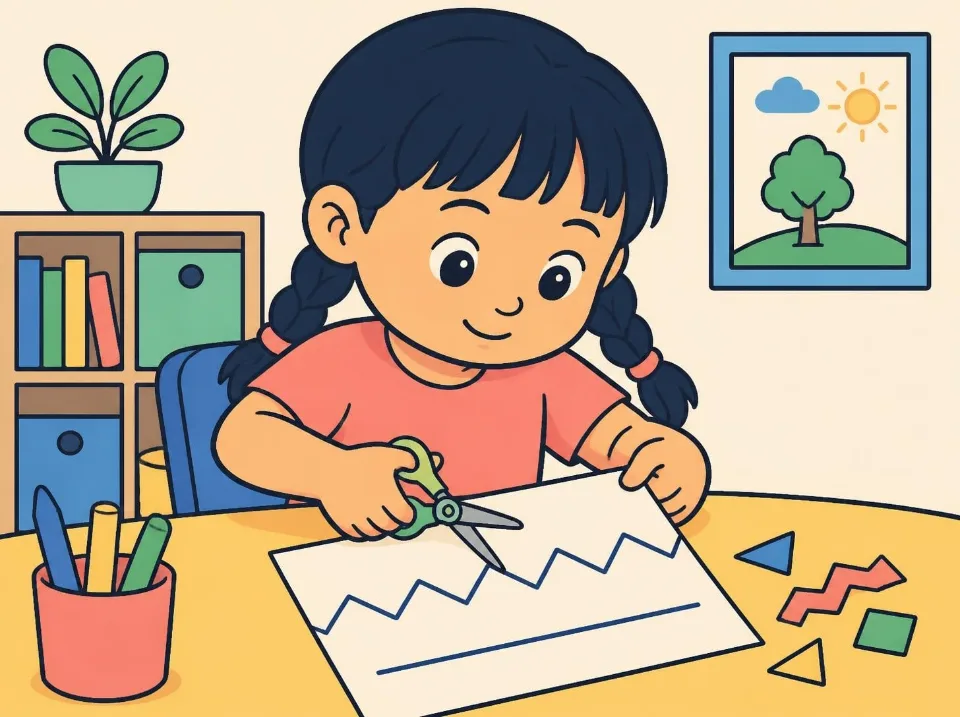
- Round-tip child scissors
- Paper
- Marker
How to play
- Draw straight lines or simple shapes on paper
- Your child cuts along them with child scissors
- Count the pieces together
Fine motorEarly math
3 to 4 years4 to 6 years
How to play · You need
You need
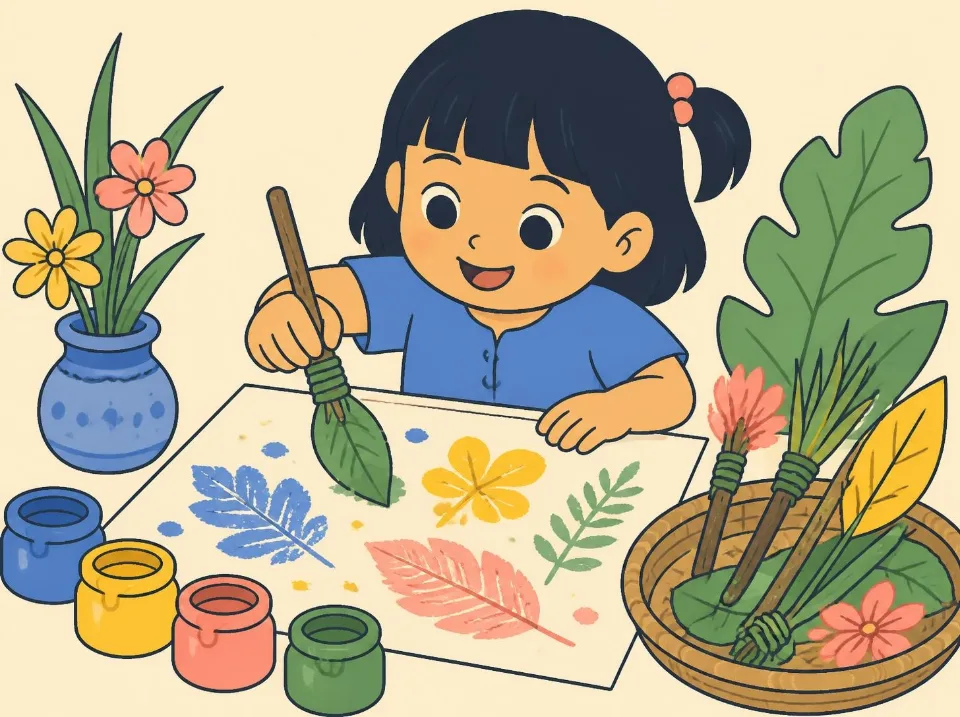
- Sticks
- Rubber bands
- Leaves, grass
- Paint
How to play
- Collect leaves, grass, flowers and sticks
- Tie them to stick ends with rubber bands to make brushes
- Dip in paint and see what pattern each one makes
Fine motorSensory
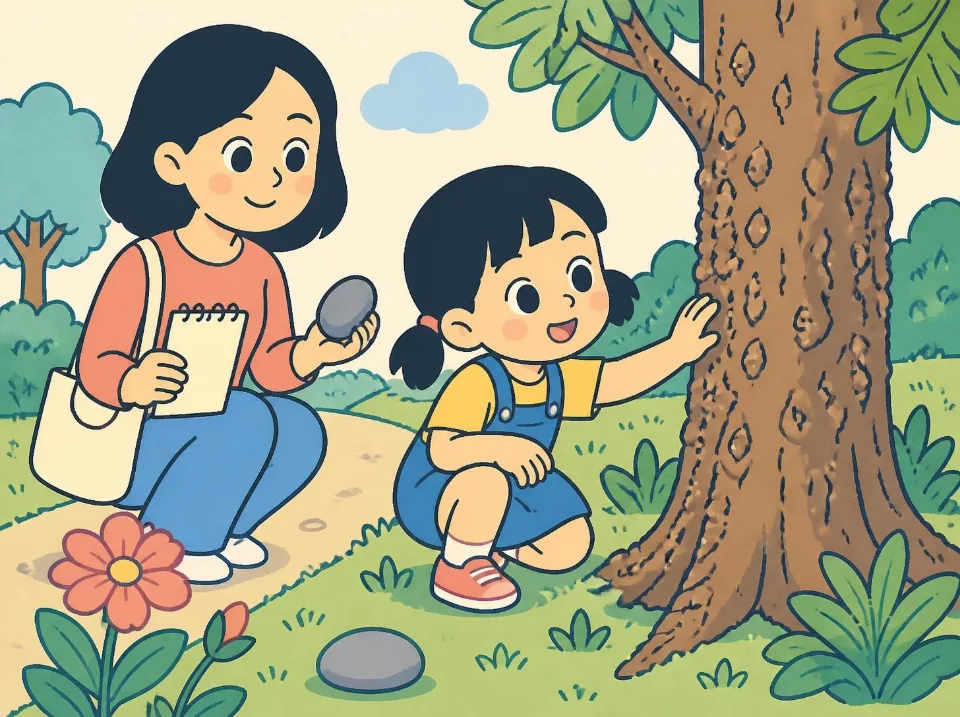
3 to 4 years4 to 6 years
How to play · You need
You need
How to play
- Make a list of words: bumpy, smooth, soft, pointy, wet
- Walk together and find something for each word
- Your child touches it and says how it feels
LanguageSensory
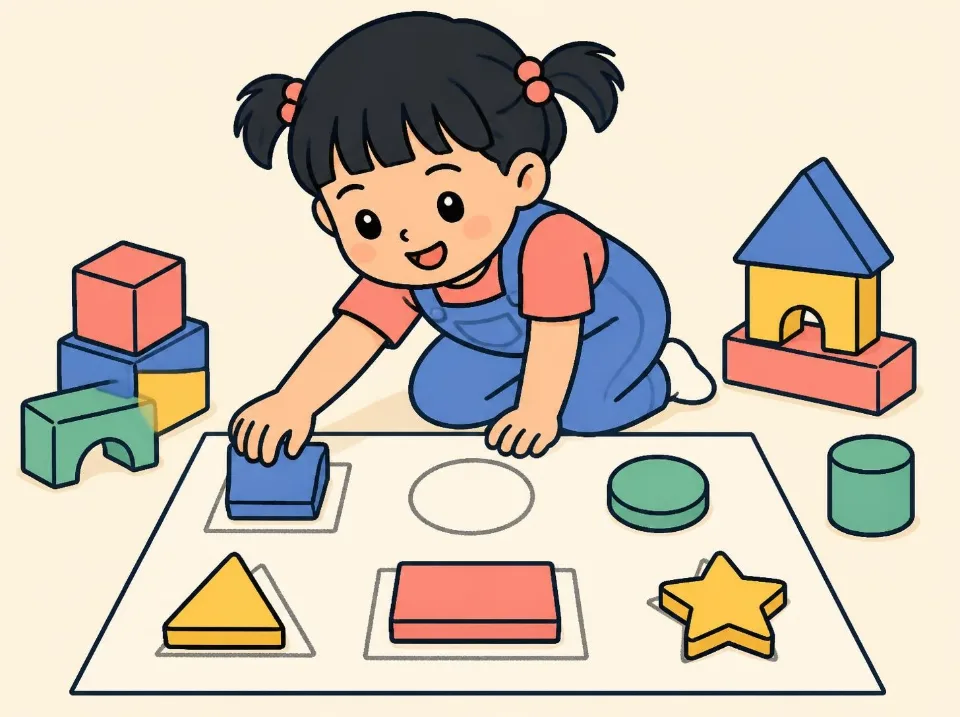
3 to 4 years4 to 6 years
How to play · You need
You need
How to play
- Trace around blocks on paper
- Take the blocks away and let your child match each one to its outline
- Stack blocks and trace the outline to make it harder
Problem solvingEarly math
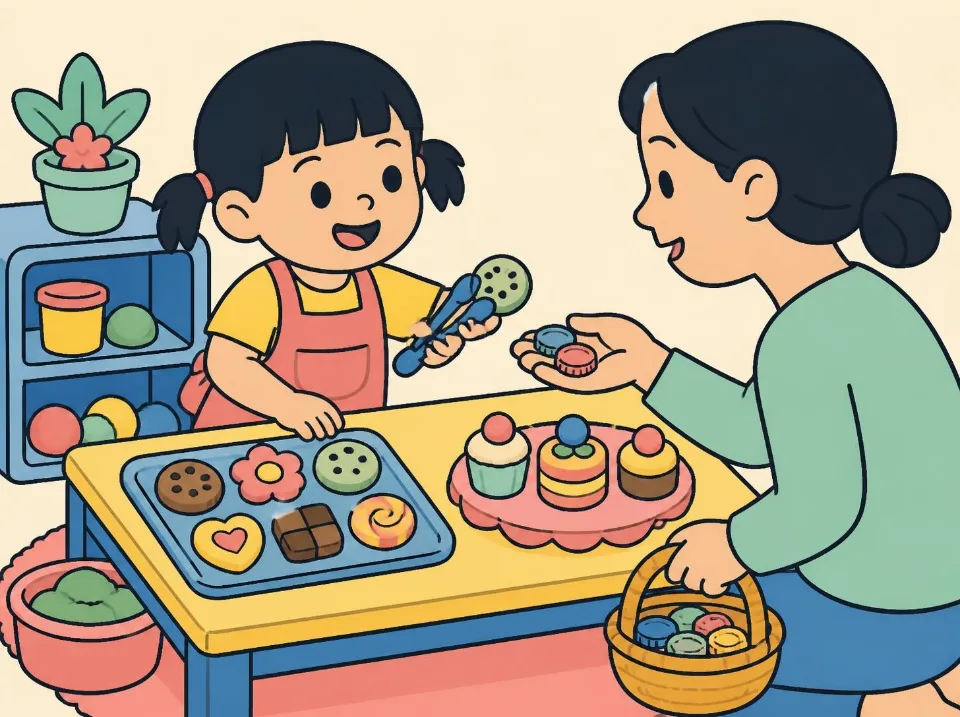
3 to 4 years4 to 6 years
How to play · You need
You need
- Play dough
- Cookie cutters
- Tray
- Bottle caps
How to play
- Use play dough, cookie cutters and a tray to make pretend bakes
- Your child runs the shop and you're the customer
- Use bottle caps as money and count the change
Pretend playLanguageEarly math
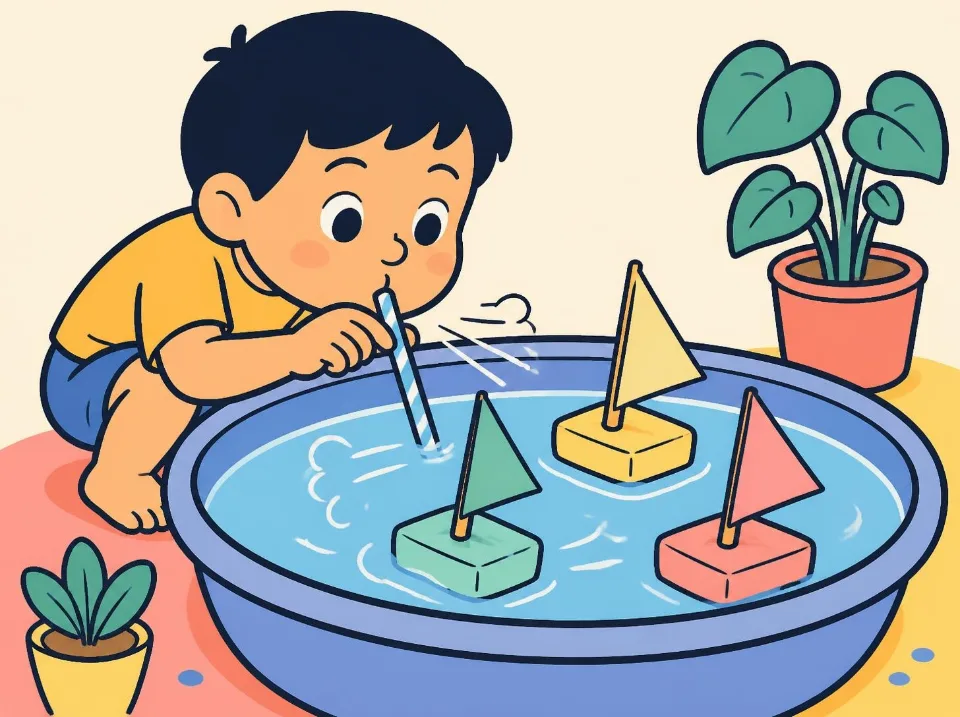
3 to 4 years4 to 6 years
⚠️ Always stay with kids around water.
How to play · You need
You need
- Small tubs
- Lolly sticks
- Paper
- Straws
How to play
- Freeze water in small tubs with a lolly stick and paper sail
- Float the boats in a basin of water
- Your child blows through a straw to race them
Problem solvingGross motor
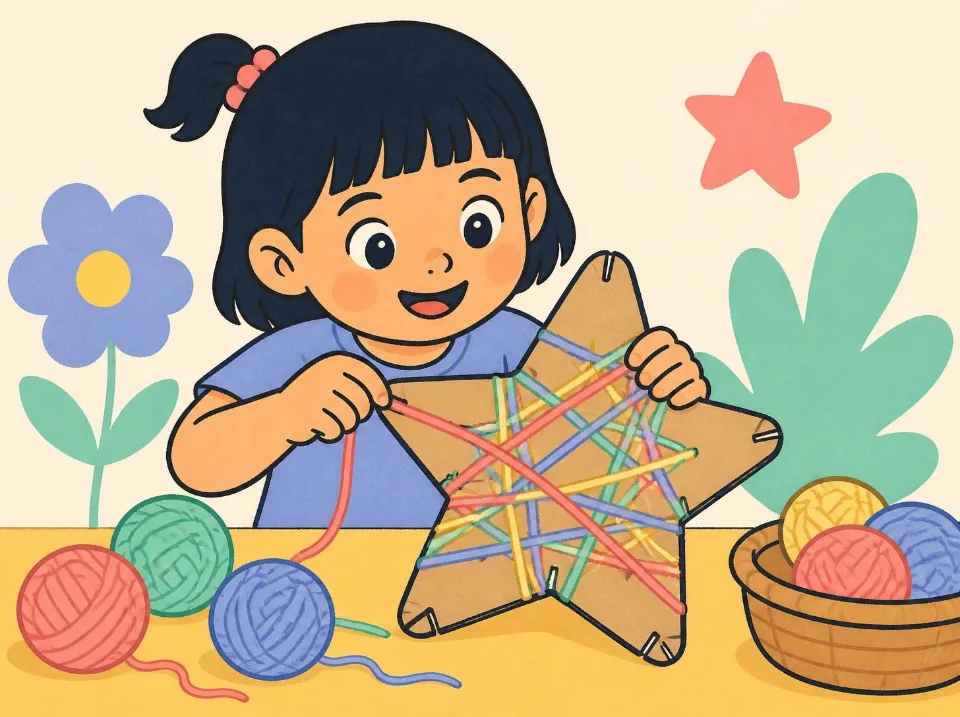
4 to 6 years
How to play · You need
You need
- Cardboard
- Yarn
- Scissors (adults)
How to play
- Cut cardboard into a shape and snip notches all around the edge
- Tie yarn to the first notch
- Your child wraps the yarn across from notch to notch to make a pattern
Fine motorProblem solving
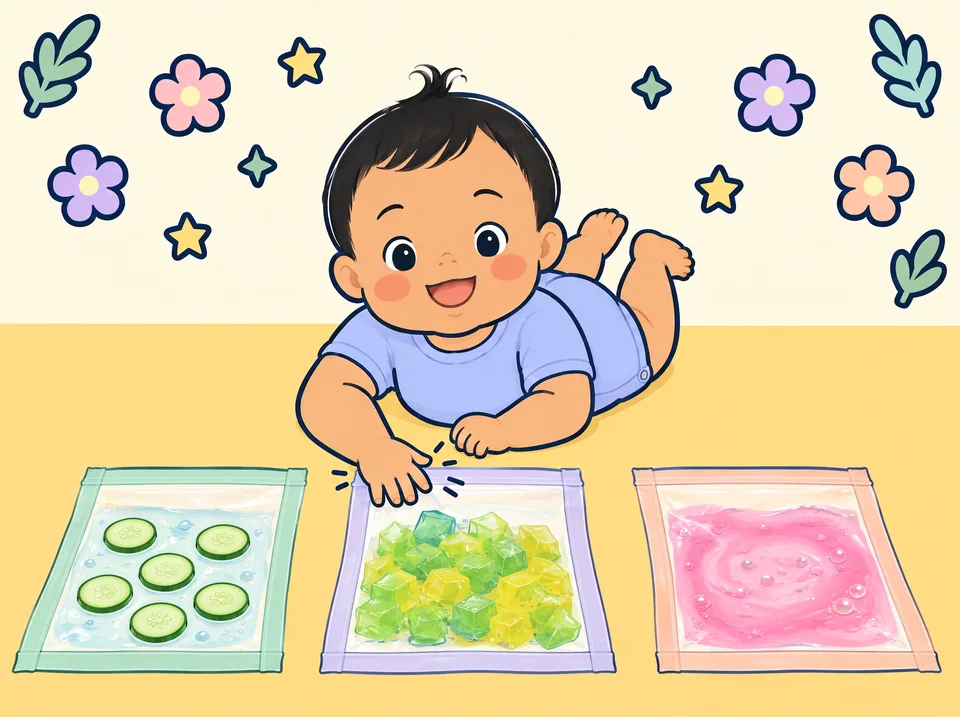
3 to 12 months
⚠️ Stay right beside your baby. Use only edible fillers in case a bag leaks: no beads, sequins or water beads. Take the bags away if one leaks or your baby starts chewing it.
How to play · You need
You need
- 3 or 4 large zip bags
- Wide clear tape
- Water
- Edible fillers: cucumber, jelly, food colouring
How to play
- Pour a little water into a large zip bag and add things that are safe to eat: cucumber slices, jelly cubes, or just water with food colouring
- Squeeze the air out, press the zip shut and run clear tape over the opening
- Tape each bag flat to the floor on all four sides, three or four in a row
- Lay your baby on their tummy in front of the bags and let them pat, press and watch things slide around. They lift their head and reach without noticing the work
- Start with a few minutes at a time and stop when they have had enough
SensoryGross motor
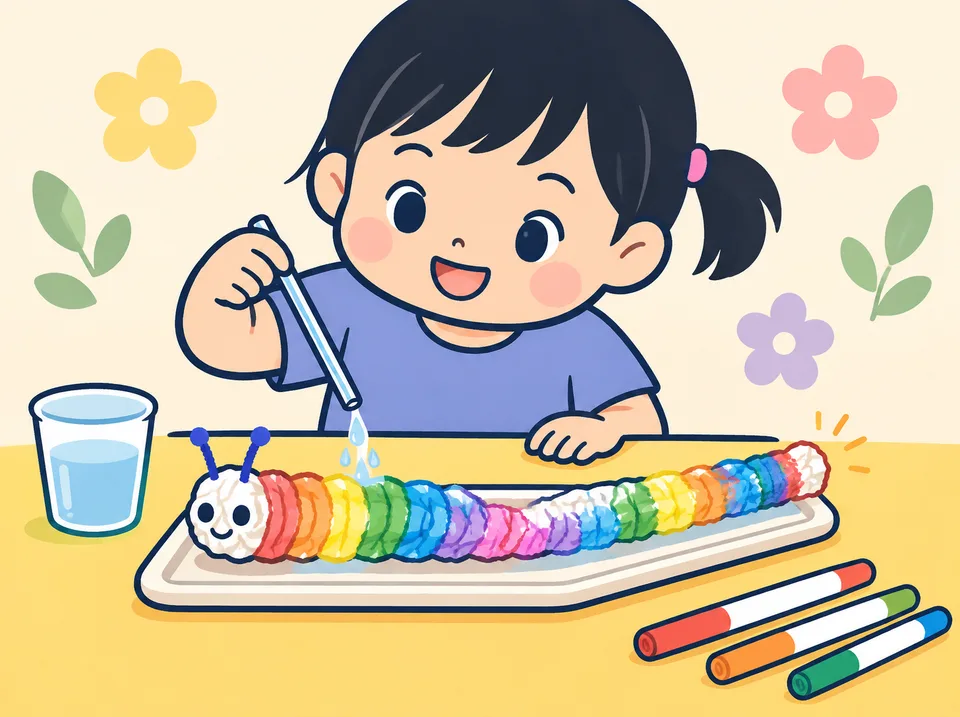
2 to 3 years3 to 4 years4 to 6 years
⚠️ Help younger kids with the dripping, and keep markers out of mouths.
How to play · You need
You need
- Paper towel
- Markers
- A straw
- A small cup of water
- A tray
How to play
- Cut a long strip of paper towel and let your child color it with markers
- Wrap the strip around a straw, push it together as tight as you can, then slide it off: now you have a short, scrunched worm
- Put the worm on a tray and drip water on it a little at a time with a straw or spoon, and watch it wiggle and stretch like it is alive
- Ask your child to guess: if you drip here, will that part move?
Fine motorProblem solvingSensory
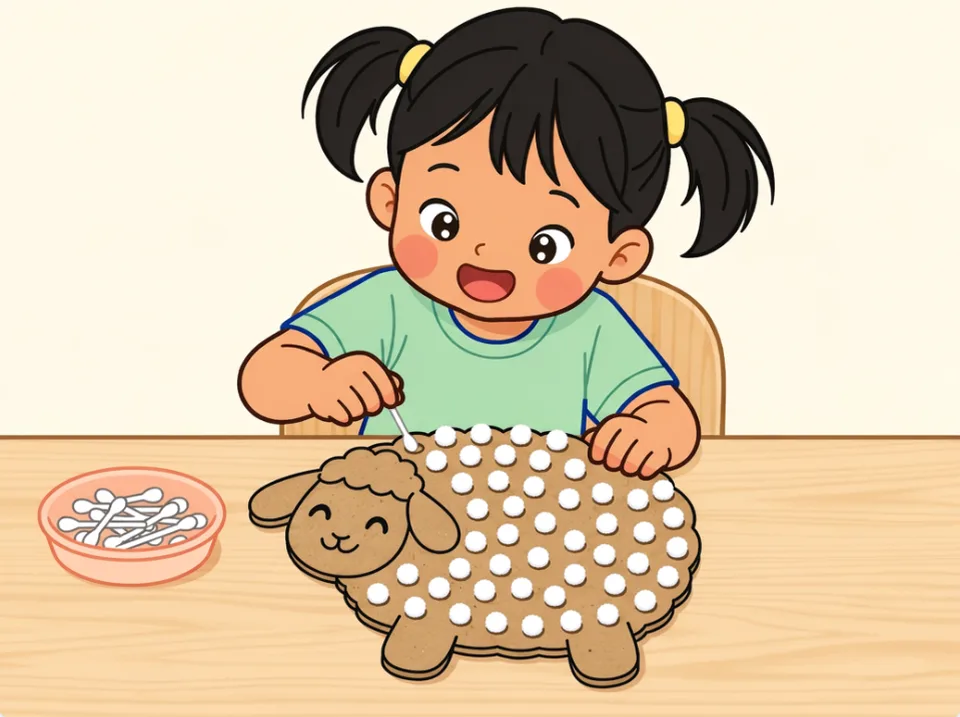
2 to 3 years3 to 4 years
⚠️ Cotton bud pieces are small. Sit with your child the whole time and tidy them all away after.
How to play · You need
You need
- Cardboard box
- Marker
- Cotton buds
- Skewer (adults only, for the holes)
How to play
- Draw a big sheep on a cardboard box and poke small holes all over its body (adults do this part)
- Cut cotton buds in half and put them in a bowl
- Your child pushes them into the holes one by one until the sheep is fluffy
Fine motor
2 to 3 years3 to 4 years4 to 6 years
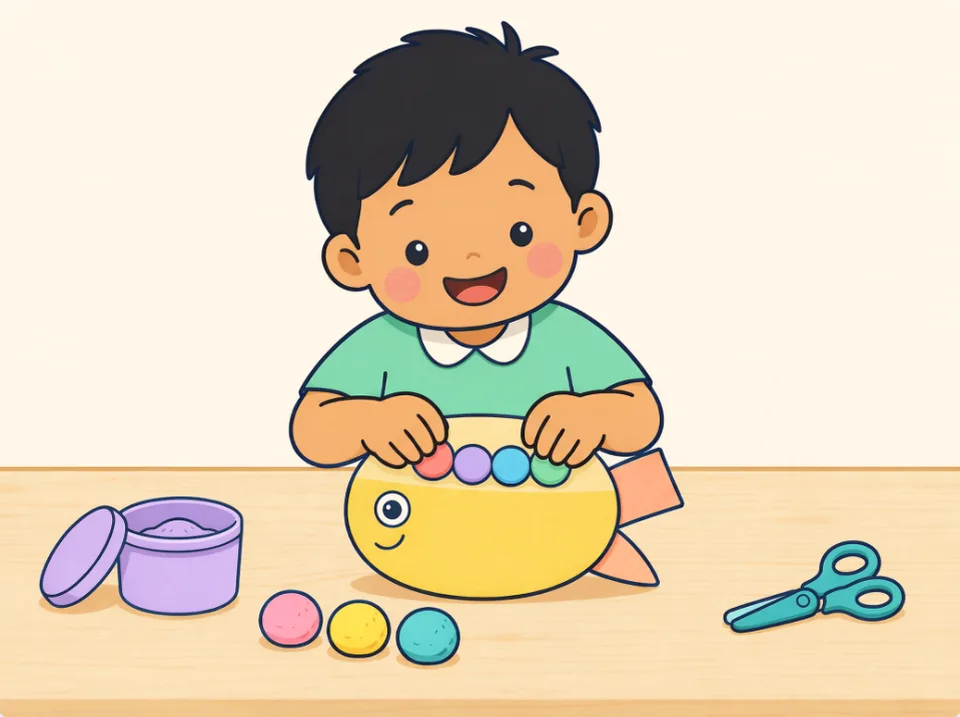
⚠️ Pom-poms are small, skip them if your child still mouths things.
How to play · You need
You need
- Card
- Crayons or markers
- Play dough or pom-poms
How to play
- Cut a half-circle fish from card and fold it so it can stand and rock, then color it in
- Your child sticks on dough balls or pom-poms one at a time, left then right
- Talk about which side makes the fish tip, and where to add the next one to level it out
Fine motorProblem solving
2 to 3 years3 to 4 years
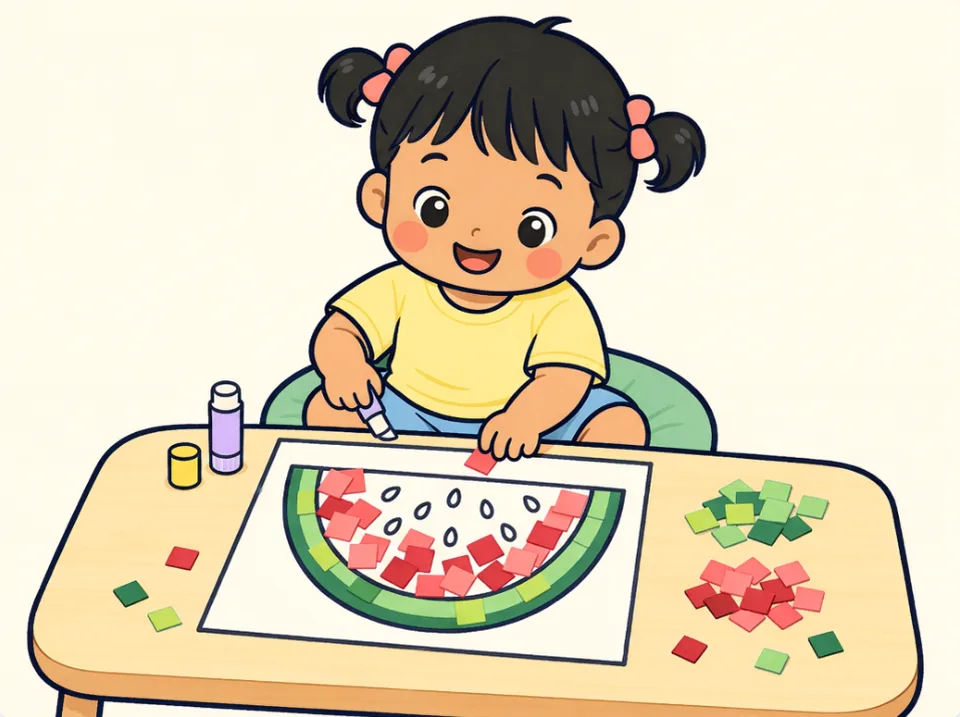
How to play · You need
You need
- A4 paper
- Red and green paper
- Glue stick
How to play
- Draw half a watermelon on A4 paper
- Cut or tear red and green paper into small squares
- Your child glues red inside and green along the rind, counting pieces as you go
Fine motorLanguage
3 to 4 years4 to 6 years
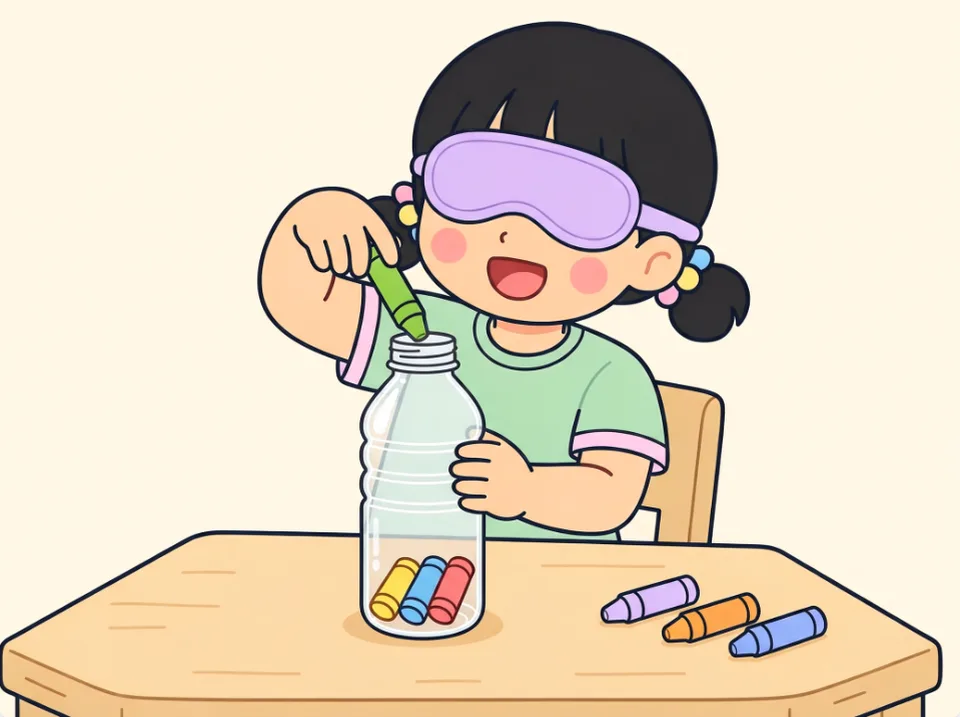
⚠️ If your child doesn't like having their eyes covered, let them just close their eyes, or stop.
How to play · You need
You need
- Empty plastic bottle
- Crayons or capped markers
- Something to cover the eyes
How to play
- Grab an empty plastic bottle and some chunky crayons or capped markers
- Let your child drop them in with eyes open first
- Then cover their eyes with a cloth or eye mask and let them feel for the opening and drop them in by touch
SensoryFine motor
3 to 4 years4 to 6 years
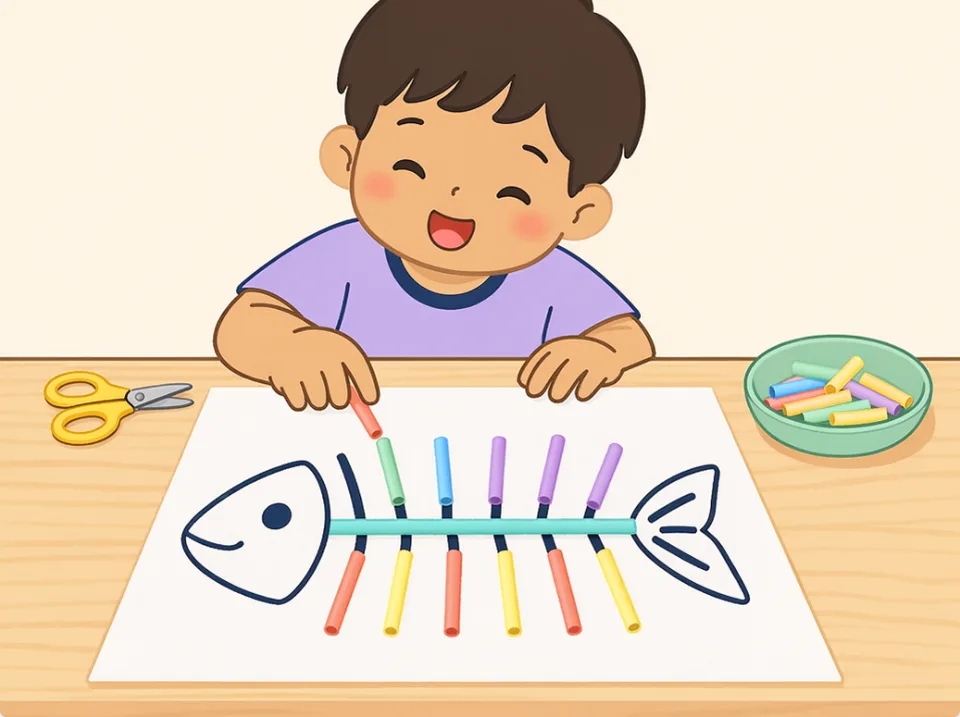
How to play · You need
You need
- Paper
- Marker
- Colored straws
- Scissors (adults only)
How to play
- Draw a fish skeleton on paper with bones of different lengths
- Cut colored straws to match each bone
- Your child compares and lays each straw on the right bone, while you chat about longer and shorter
Early mathProblem solvingFine motor
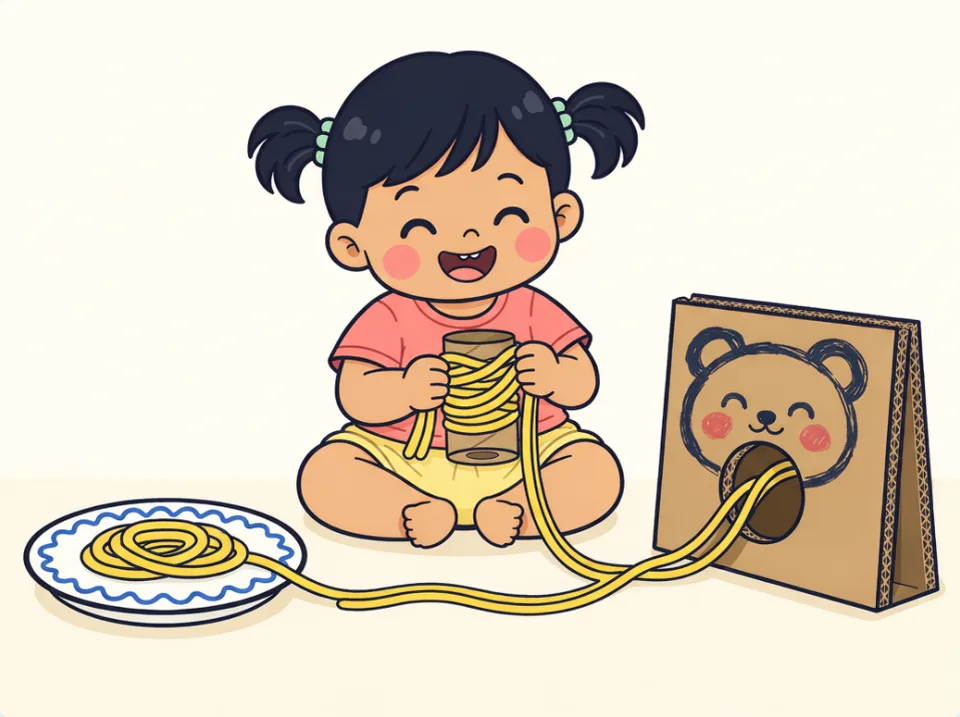
2 to 3 years3 to 4 years4 to 6 years
⚠️ Keep yarn away from necks and fingers, and put it away after play.
How to play · You need
You need
- Cardboard box
- Yellow yarn
- Toilet roll tube
- Marker
How to play
- Draw a face with an open mouth on a cardboard box, cut a hole at the mouth and draw a plate of noodles above it
- Pile yellow yarn on the plate, thread the end through the mouth hole and tie it to a toilet roll tube behind
- Your child turns the tube to wind the yarn, and the noodles slurp into the mouth
Fine motorPretend play
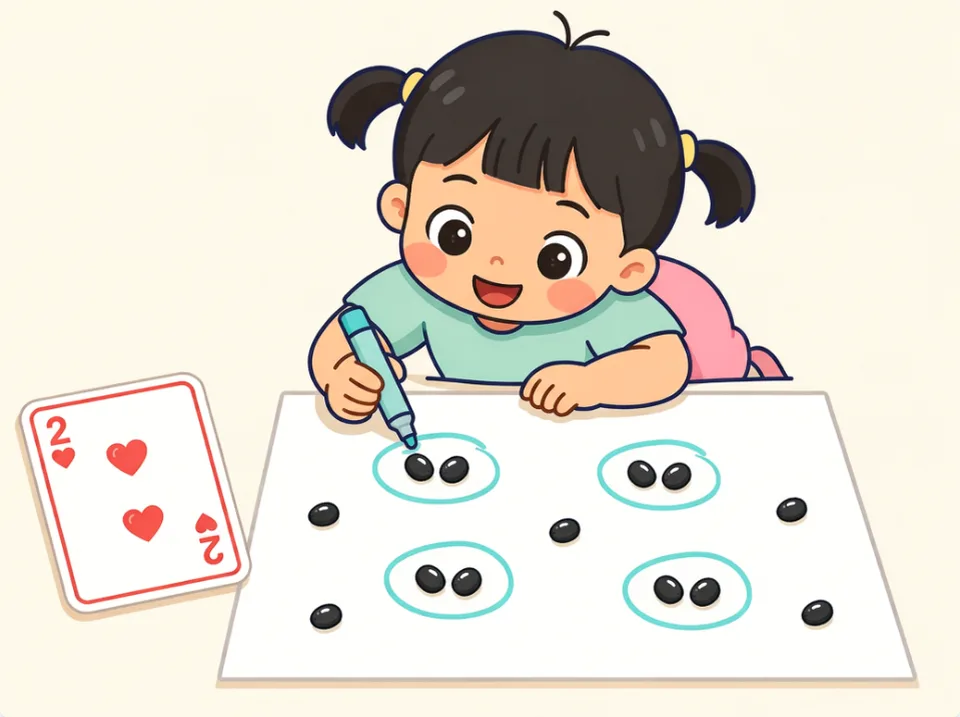
3 to 4 years4 to 6 years
⚠️ Beans are a choking hazard and can end up in noses and ears. Only for kids who no longer mouth things, sit with them the whole time, and count them all back in after.
How to play · You need
You need
- Black beans
- Large paper
- Marker
- Playing cards or number cards
How to play
- Scatter black beans across a big sheet of paper
- Turn over a playing card or number card, say a 2
- Your child draws circles around groups with that many beans, then flips a new card
Early mathFine motor
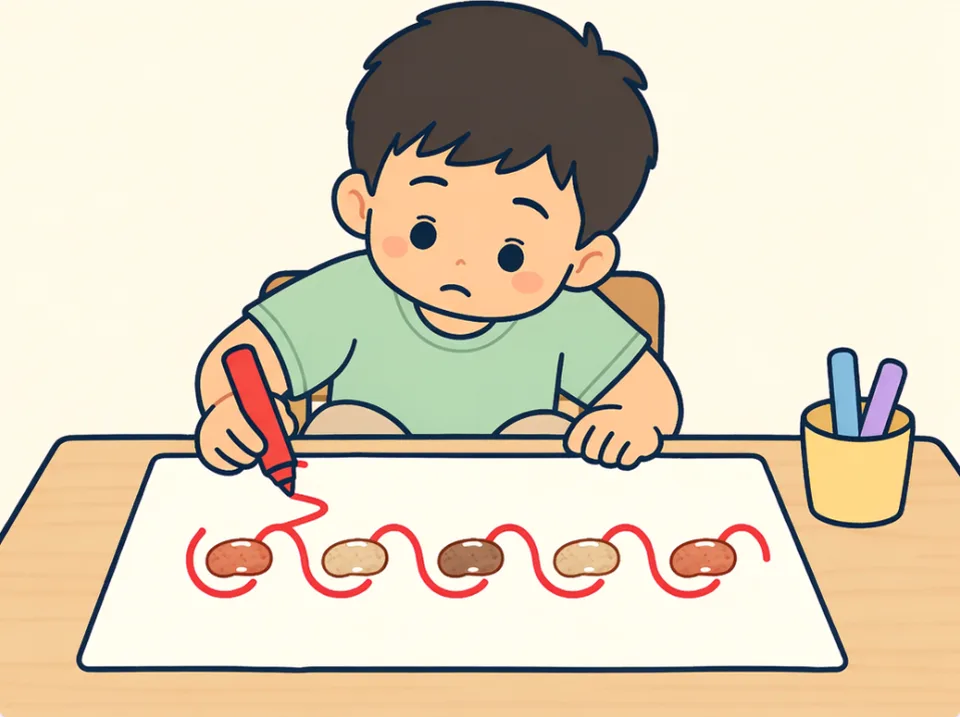
3 to 4 years4 to 6 years
⚠️ Beans are a choking hazard and can end up in noses and ears. Only for kids who no longer mouth things, sit with them the whole time, and count them all back in after.
How to play · You need
You need
How to play
- Lay a row of beans across the paper with small gaps
- Your child draws a wiggly line up and down around each bean without touching any
- Once that is easy, place beans along a spiral and have them weave from the outside to the middle
Fine motorProblem solving
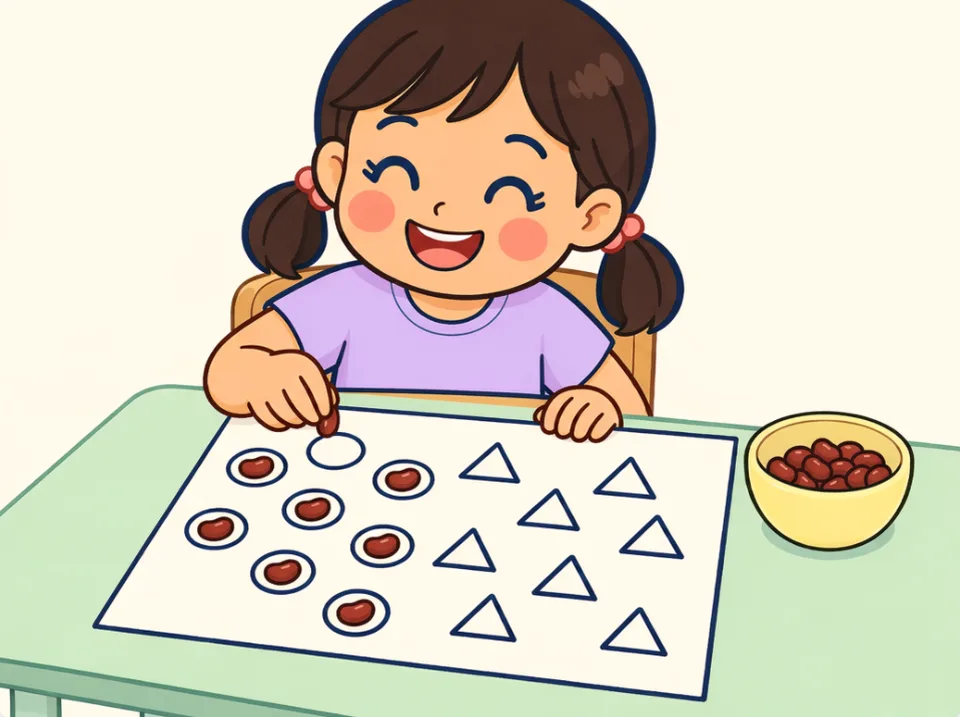
3 to 4 years4 to 6 years
⚠️ Beans are a choking hazard and can end up in noses and ears. Only for kids who no longer mouth things, sit with them the whole time, and count them all back in after.
How to play · You need
You need
- A cup of beans
- Paper
- Marker
How to play
- Draw circles and triangles mixed all over a page
- Your child places one bean in every circle and skips every triangle
- Change the rule next round: triangles only, or two beans per circle
Problem solvingFine motor
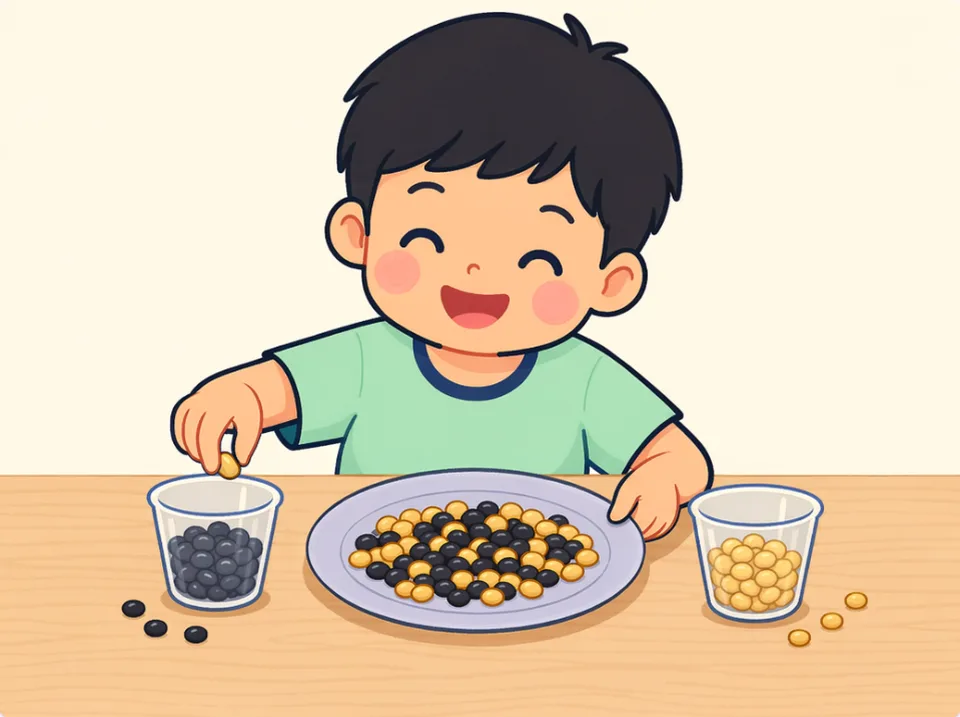
3 to 4 years4 to 6 years
⚠️ Beans are a choking hazard and can end up in noses and ears. Only for kids who no longer mouth things, sit with them the whole time, and count them all back in after.
How to play · You need
You need
- Black beans
- Soybeans
- Plate
- 2 clear cups
How to play
- Mix black beans and soybeans in a big plate
- Put two clear cups beside it
- Your child sorts black into one cup and yellow into the other, with fingers or kid tongs
Fine motorProblem solvingSensory
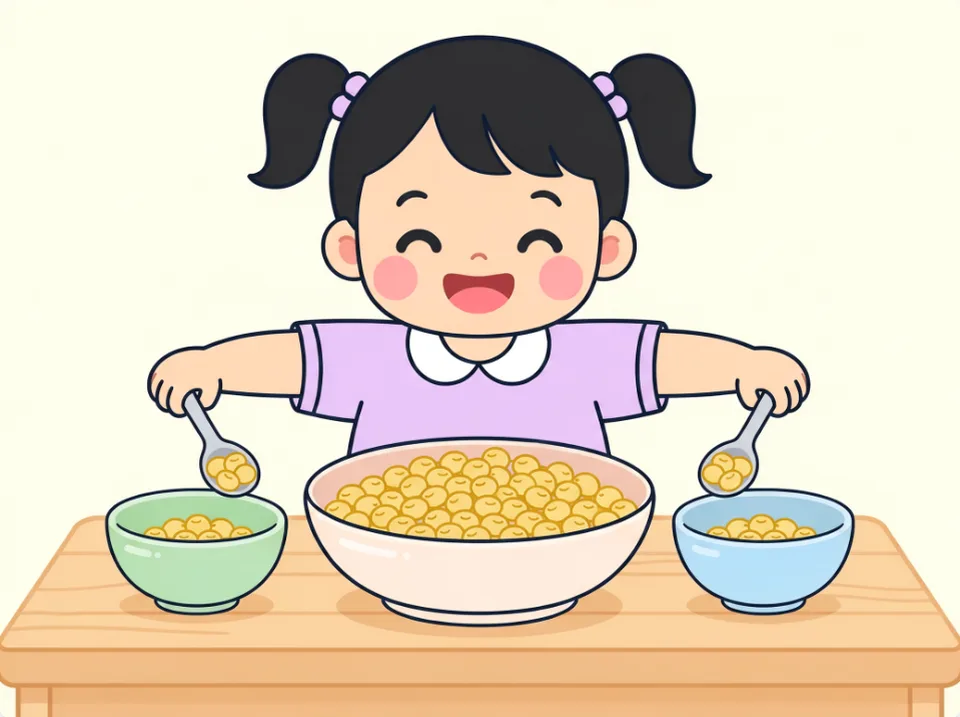
3 to 4 years4 to 6 years
⚠️ Beans are a choking hazard and can end up in noses and ears. Only for kids who no longer mouth things, sit with them the whole time, and count them all back in after.
How to play · You need
You need
How to play
- Put a bowl of beans in the middle with an empty bowl on each side
- Your child holds a spoon in each hand
- They scoop with both hands at once and tip into the left and right bowls together
Fine motorGross motor
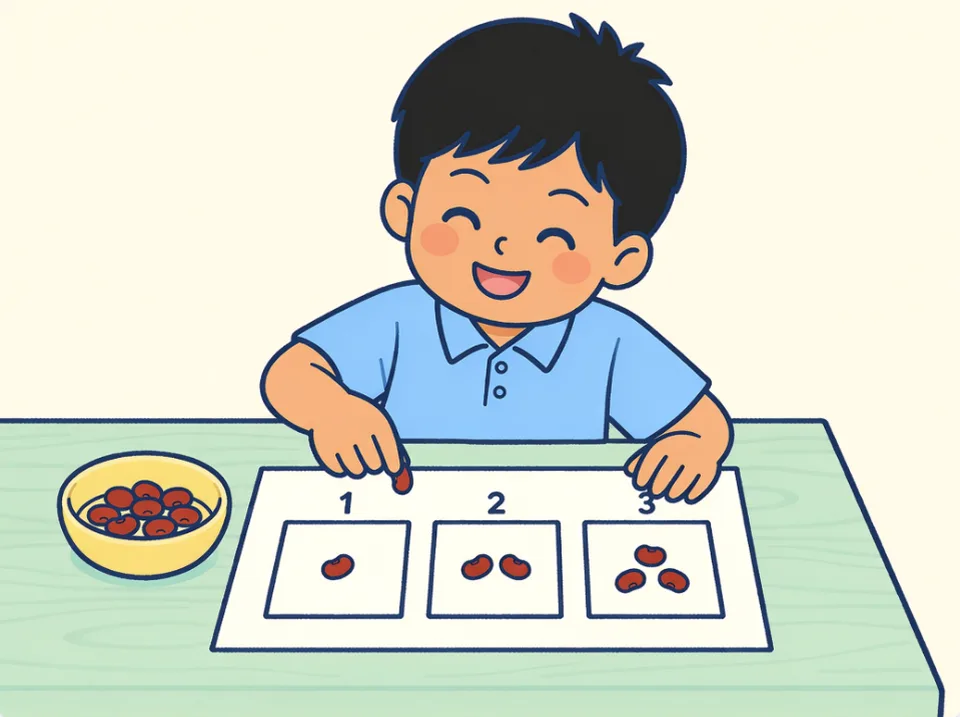
3 to 4 years4 to 6 years
⚠️ Beans are a choking hazard and can end up in noses and ears. Only for kids who no longer mouth things, sit with them the whole time, and count them all back in after.
How to play · You need
You need
How to play
- Draw 8 boxes on paper and write a mixed number from 1 to 10 above each
- Your child reads the number and puts that many beans in the box
- Count out loud together, and start with 1 to 5 if 10 is too many
Early mathFine motor
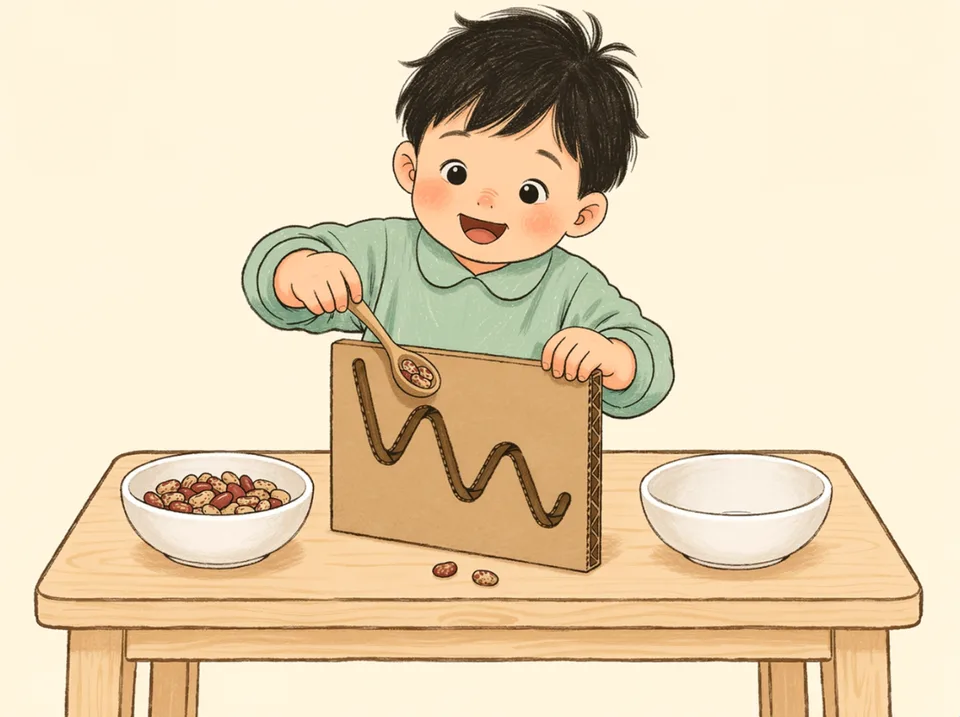
2 to 3 years3 to 4 years4 to 6 years
⚠️ Beans are a choking hazard and can end up in noses and ears. Only for kids who no longer mouth things, and sit with them the whole time. A grown-up does all the cutting.
How to play · You need
You need
- A cardboard box
- Craft knife (grown-up only)
- A spoon
- 2 bowls
- Beans or rice
How to play
- Cut one side off a cardboard box so it stands up, then cut a wavy up-and-down slot wide enough for a spoon handle
- Put a bowl of beans or rice at one end and an empty bowl at the other
- Your child scoops a spoonful and walks the spoon along the slot without spilling, then tips it into the empty bowl
- To make it harder, add more bends or try the other hand
Fine motorProblem solving
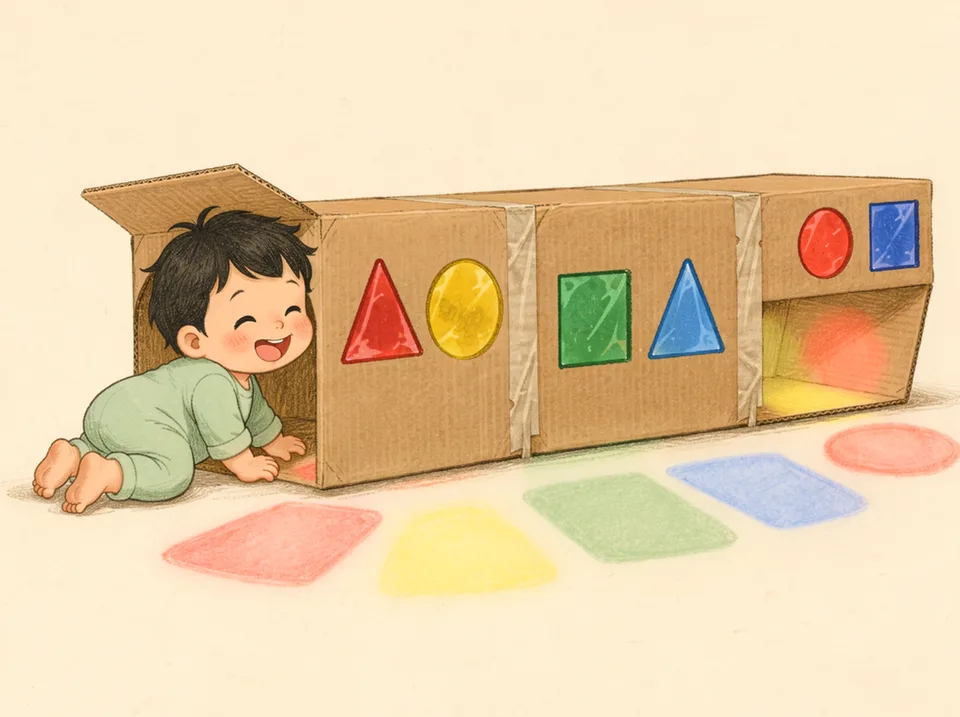
12 to 18 months18 to 24 months2 to 3 years3 to 4 years
⚠️ A grown-up does all the cutting. Tape over cut edges, and check the cellophane is stuck down well so it can't come off and go in a mouth.
How to play · You need
You need
- 2 or 3 cardboard boxes
- Coloured cellophane
- Packing tape
- Craft knife (grown-up only)
How to play
- Cut the ends off 2 or 3 cardboard boxes and tape them together into a tunnel
- Cut triangle, circle and square windows in the sides and top
- Tape coloured cellophane over each window from the inside
- Set it near a sunny window and let your child crawl through to see the coloured light on their hands and the floor. Ask what colour their hand is now
Gross motorSensoryLanguage
We write every how-to in our own words. The ideas belong to the creators linked on each card, so tap through to see their photos and videos.